



Tested: digital compact
Olympus VR-310: a 10× zoom put to the test at a volleyball tournament
A compact from 2011, a 10× zoom announced in big letters on the body, and a late August afternoon on the beach at Pléneuf-Val-André. We took it to a volleyball tournament to see how it does where you’d expect it to shine: outdoors, in full light, with fast-moving subjects.
13 photos unretouched · ISO 80 on every shot · The beach at Pléneuf-Val-André, late afternoon
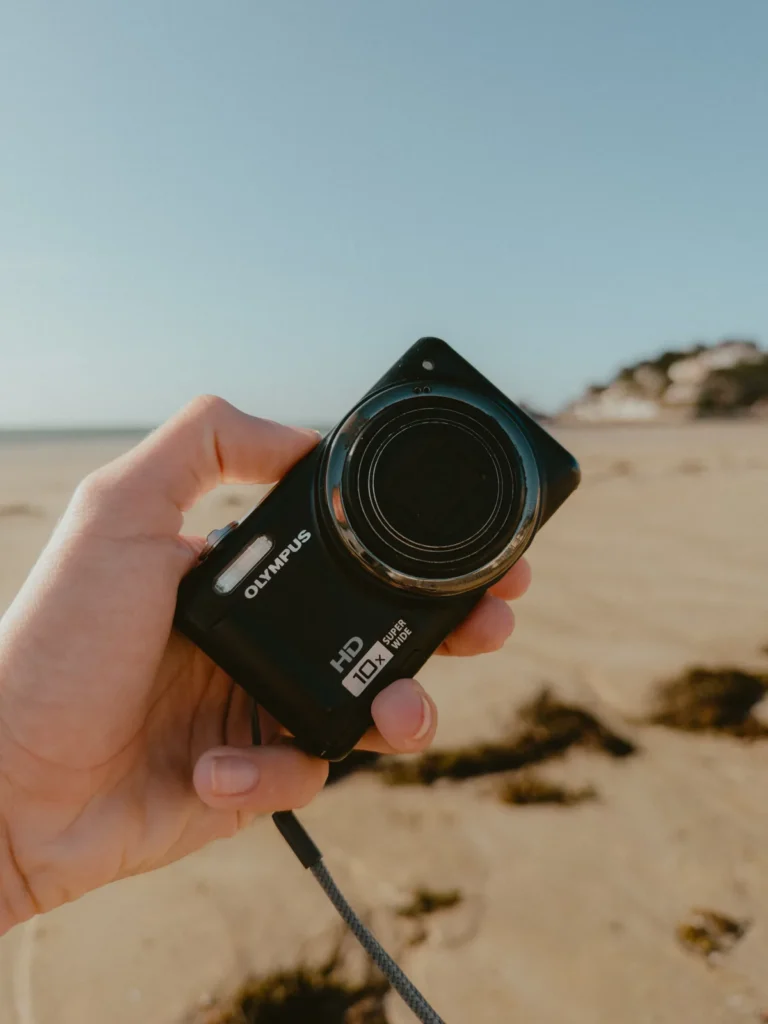
The setting: a beach, a net and two hours of light
Pléneuf-Val-André, an August evening. The tide is out, the sand is firm, and a volleyball tournament is setting up between the sea wall and the water. It’s a fair testing ground for a compact of this generation: plenty of light, fast subjects, and a sun sinking straight down the length of the court.
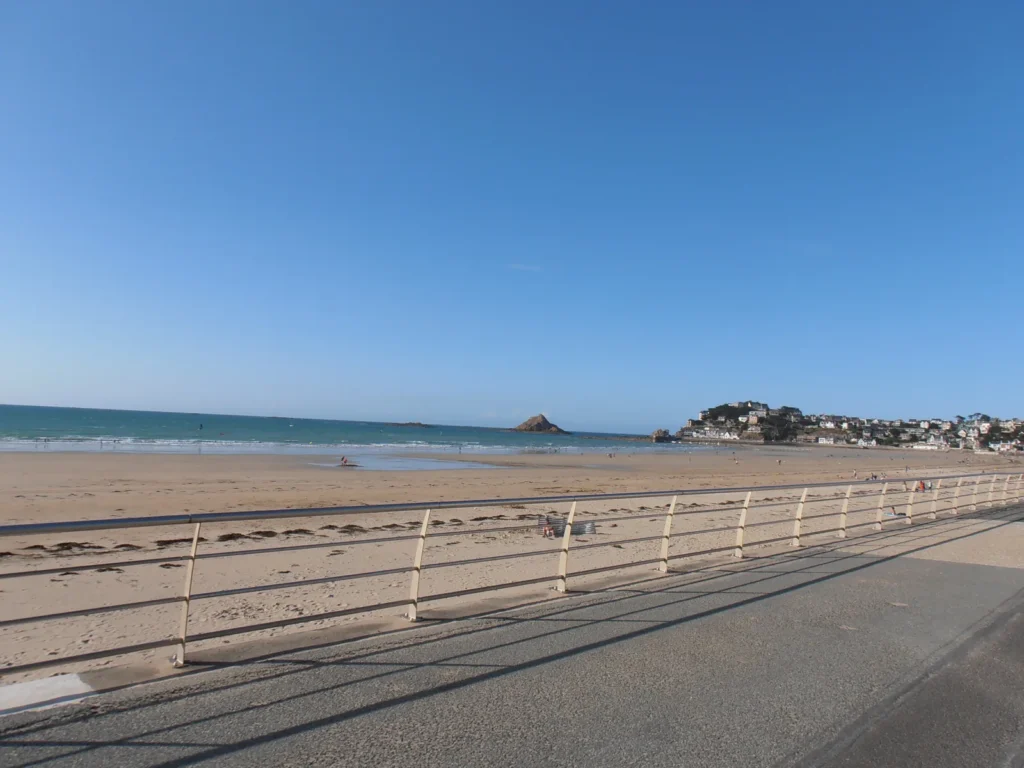
The VR-310 wasn’t picked for the occasion: it was the other way round. We wanted to know whether a camera you can find today for the price of a meal still holds up when it has to follow a ball.
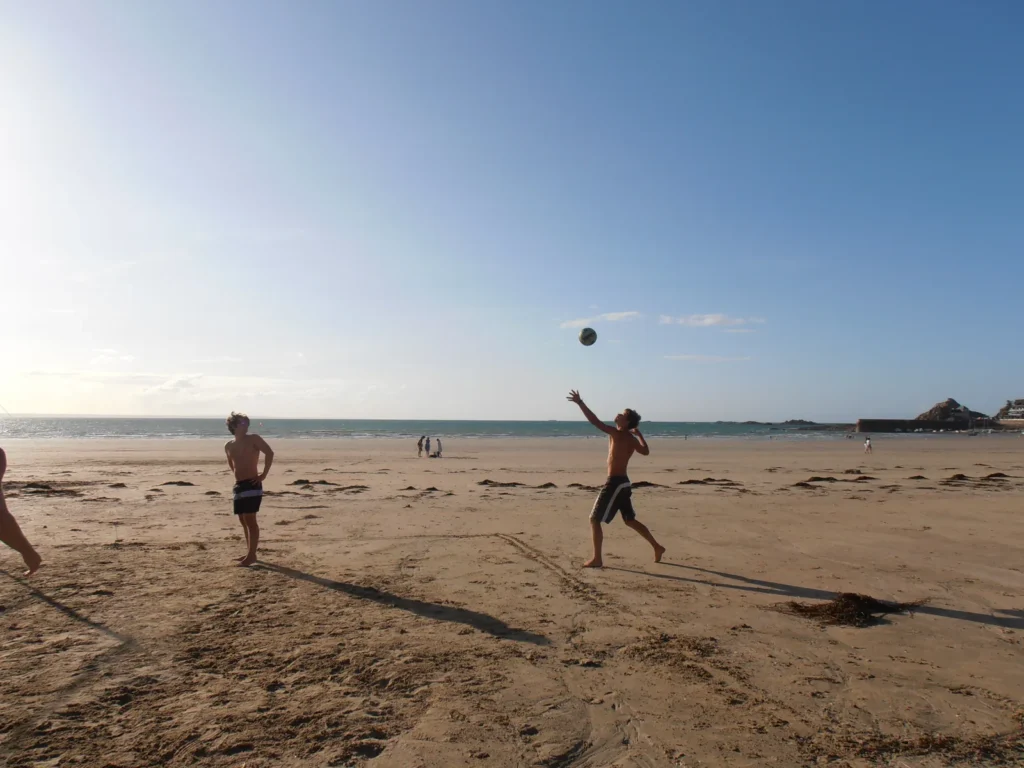
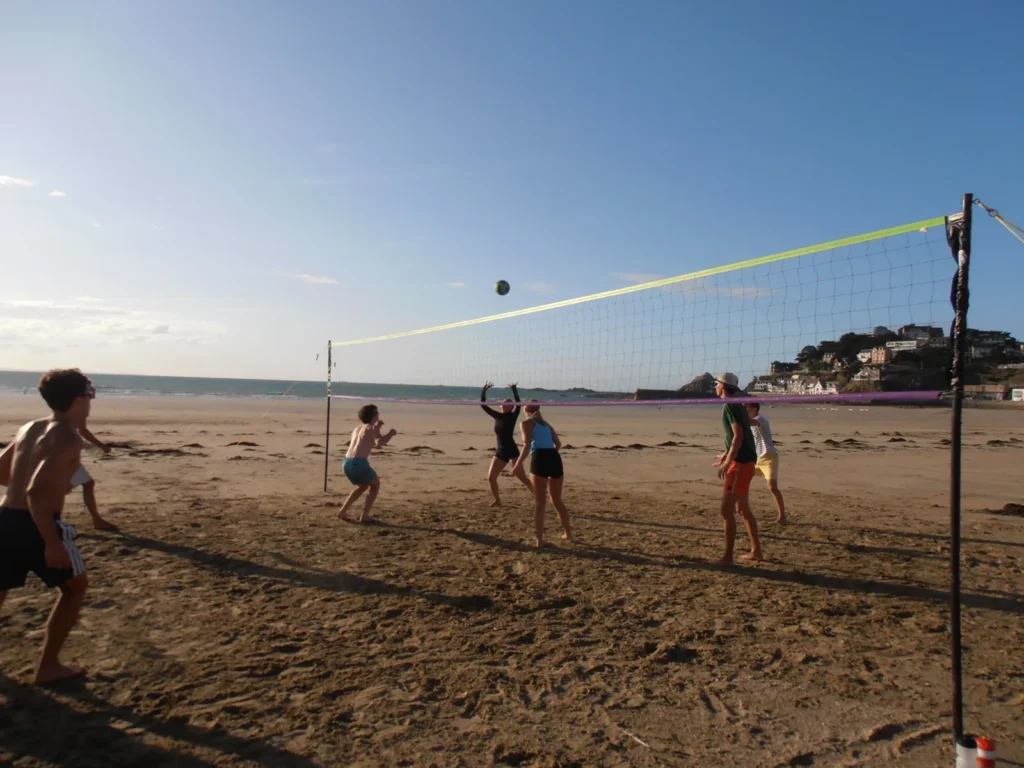
The match, as it saw it
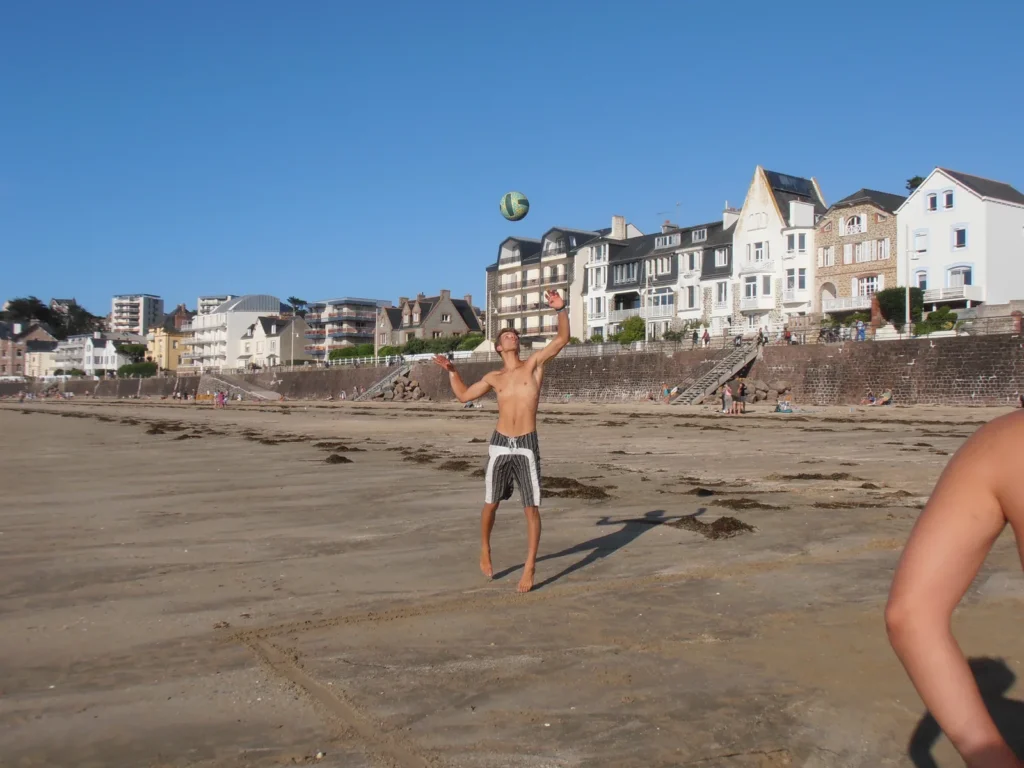
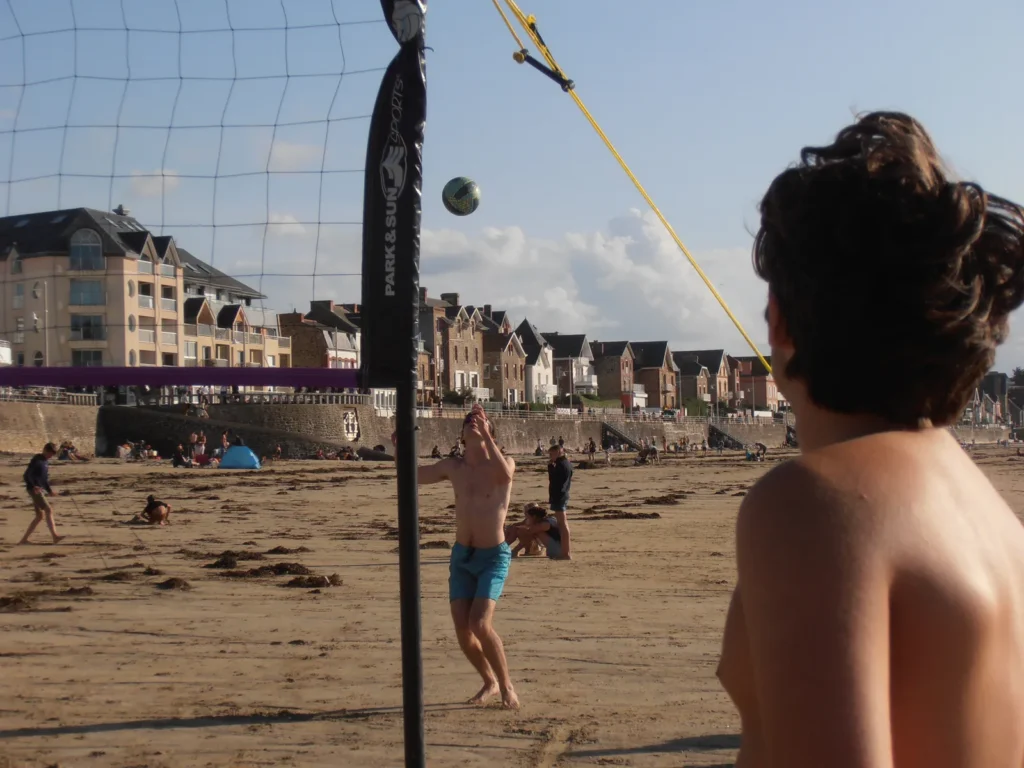
Thirteen photos, no editing: they’ve been resized for the web, and nothing else. No cropping, no colour correction, no contrast rescue.


What the files say
The exposure data recorded by the camera tells a simple story, and a rather flattering one.
| Readings | Across the 13 photos |
|---|---|
| Sensitivity | ISO 80 on every one : it never needed to go higher |
| Shutter speed | from 1/320 s to 1/2000 s |
| Aperture | from f/3.0 to f/7.9 |
| Focal lengths used | from 4.2 mm to 24.4 mm |
| Flash | stayed off for every shot |
| Resolution | 4288 × 3216, i.e. 14 MP |
Staying at ISO 80 from start to finish is the best news a compact sensor can give you: that’s where it’s cleanest. The fast shutter speeds explain the rest: a player in mid-air on the serve is sharp, ball included.
When the sun gets into the frame
That’s its limit, and it’s a clear one. As soon as the low sun comes into the frame, a milky haze covers the image: contrast collapses, colours wash out, and half the frame turns white. It’s not a fault with this particular camera, it’s the optical design of this generation of compact zooms: lots of glass elements, little anti-reflective coating.

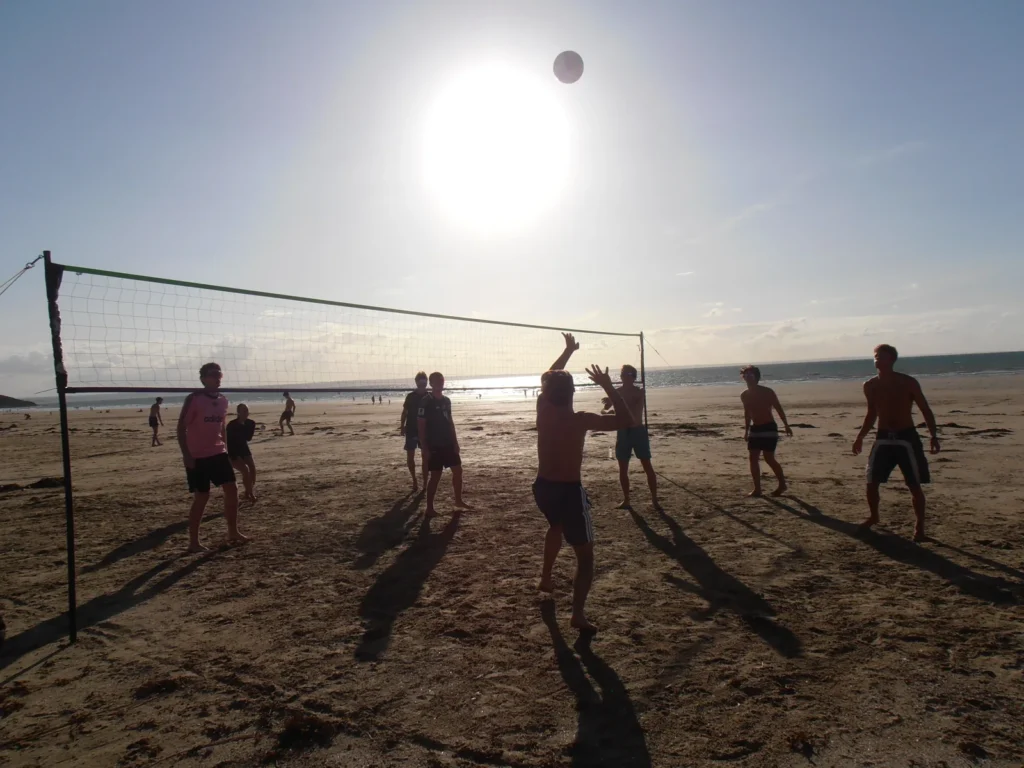
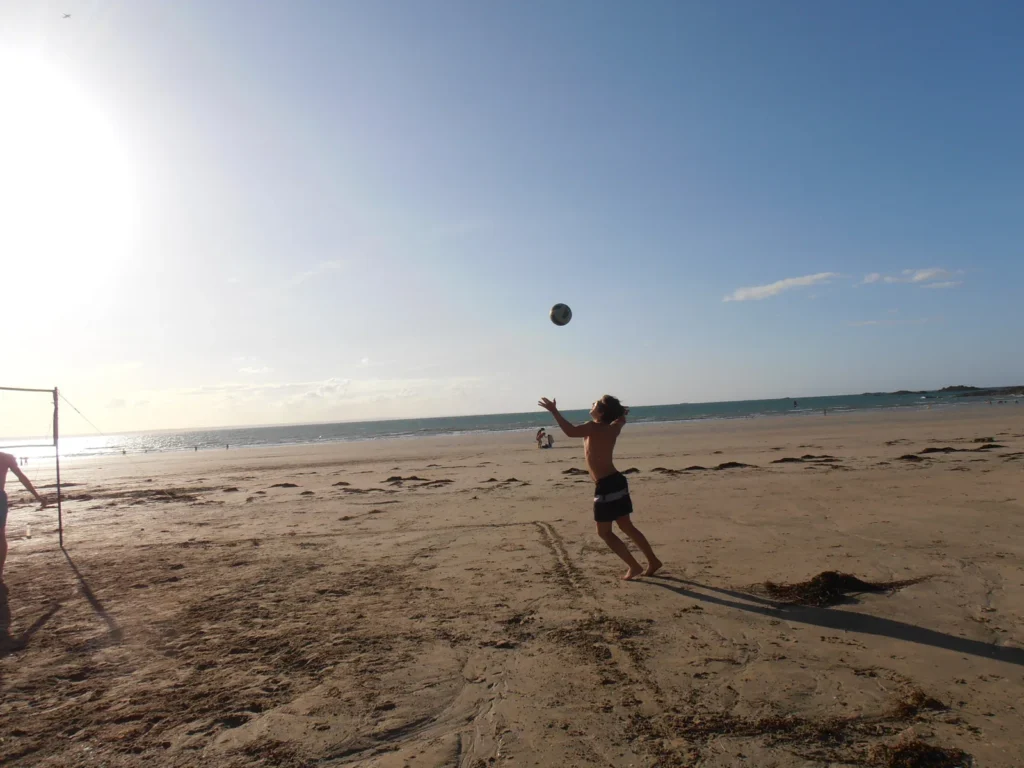
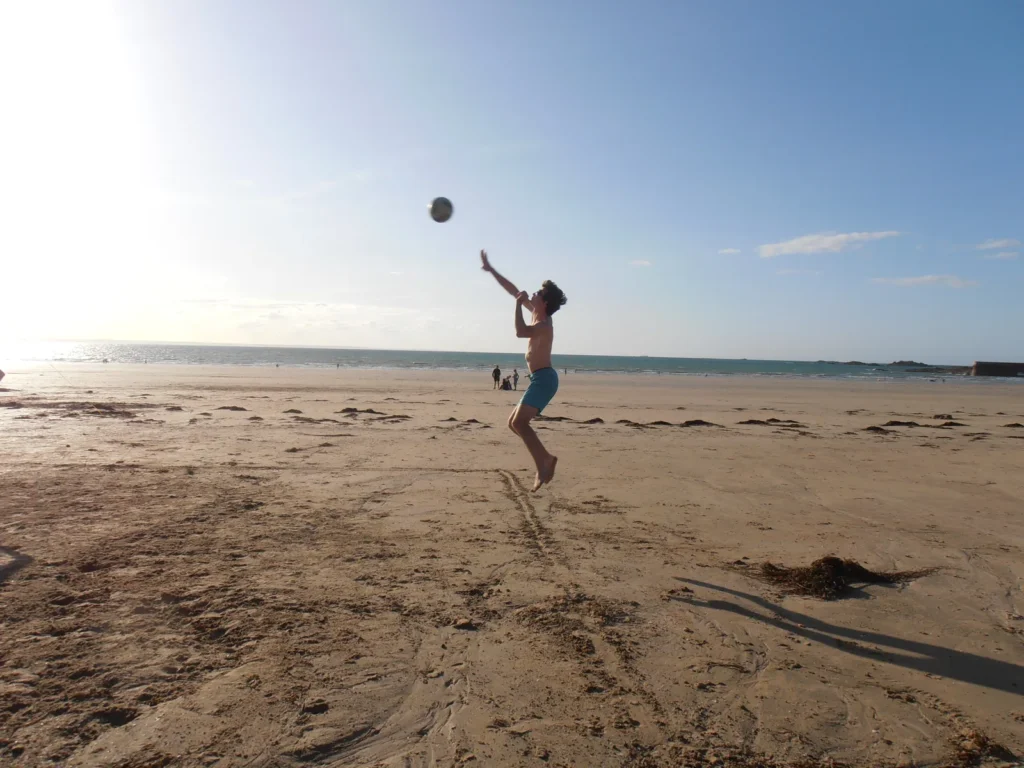
You can reject it, or make use of it. These images wouldn’t look like this with a modern lens: it’s exactly what people coming back to these cameras are looking for.
And when it’s well placed
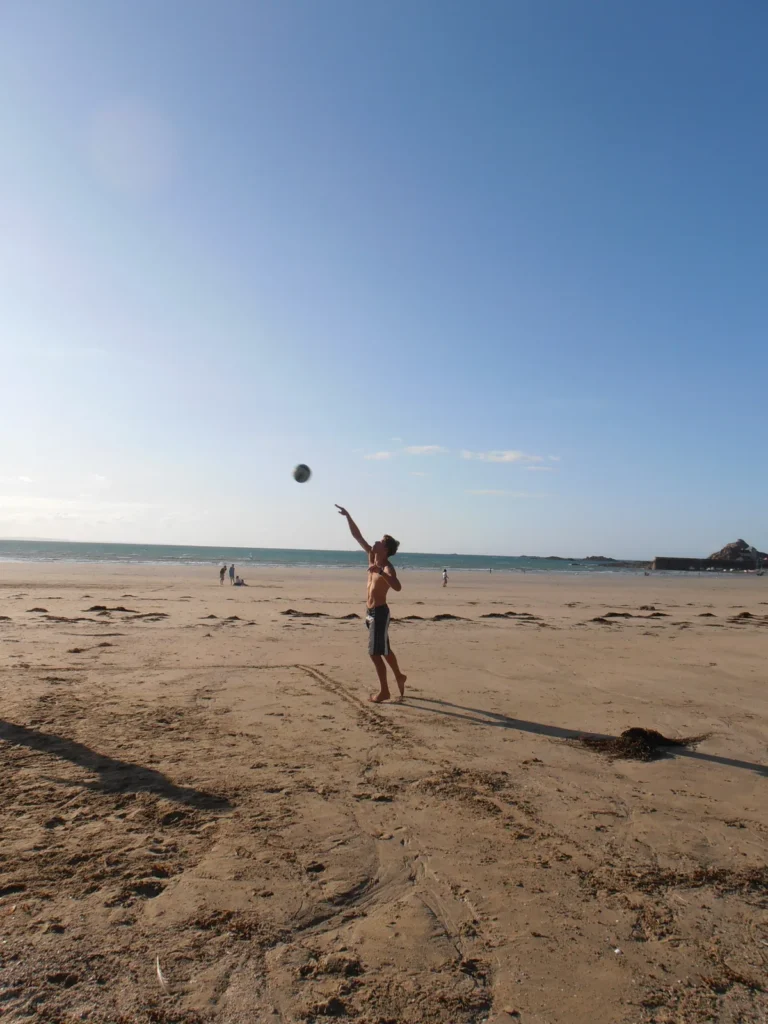
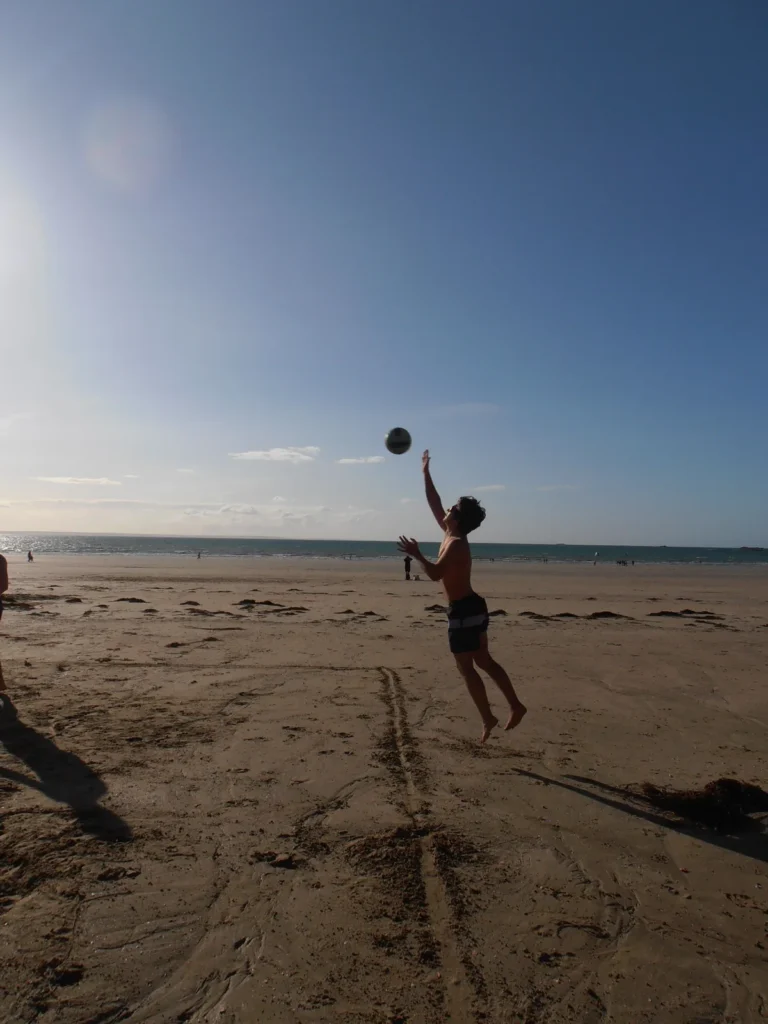
Step out of line with the sun, and the camera shows another side. The sky turns a deep blue again, skin tones hold, the ball stands out. Neither of these two images has been edited.
What it does well, what it doesn’t
Its strengths
- A 10× zoom in a body that fits in a shorts pocket
- In daylight, it stays at its lowest sensitivity and delivers clean files
- Fast enough to freeze a player in mid-air
- A useful wide angle to fit a whole court in without stepping back
Its limits
- Direct backlight brings it to its knees: milky haze and collapsed contrast
- It’s made for daylight: indoors, you’ll have to make do with the flash
- The screen doesn't do the files justice: judge them on a computer
- No manual settings: it makes the decisions
Who it’s for
For anyone who wants an outdoor camera for summer, holidays and days out with friends, without carrying an SLR or pulling out their phone every five minutes. For anyone after the look of this generation of sensors, with its strong colours and frank backlighting. And for anyone who wants to give a child their first camera without worrying about the sand.
Not for anyone who shoots indoors, at night, or wants control over depth of field. For that, take a look at DSLRs.
Five tips to get the most out of it
- Keep the sun behind you or to the side. It's the one rule that really changes the result.
- Go easy on the zoom: the best images in this test were taken between 4 and 6 mm, so at the wide end.
- Shoot before the light drops. This camera gives its best as long as it stays at ISO 80.
- Don’t judge your photos on the rear screen: it’s darker and more contrasty than your files.
- Bring a spare card : it’s the kind of camera you take out more often than you expect.
Frequently asked questions about the Olympus VR-310
Is the 10× zoom really usable?
Yes, in daylight. As with every compact of this generation, it loses sharpness and brightness at the long end: our best images from the test are at the wide end. Think of the zoom as a fallback, not the heart of the camera.
Why are my photos washed out when shooting into the light?
It’s not a fault with your camera. The optics on this type of compact don’t have the anti-reflective coatings of recent lenses: as soon as the sun comes into the frame, a haze appears. Move a few steps to take it out of the frame, or embrace the effect.
What memory card does it need?
A modest-capacity SD card suited to its generation, rather than a large recent card that these cameras don’t always recognise. See our SD cards.
What condition are your cameras in?
Every item is tested and checked in the workshop, then photographed without retouching: the one shown is the one that ships. Full details of our condition grades are on the page Conditions and guarantees.