



Tested: digital compact
Canon PowerShot SX210 IS: a 14× zoom taken down to the water’s edge
A 2010 compact with a 14× zoom advertised on its front, a Breton river on a June morning, and a dog that won’t wait. We took the Canon PowerShot SX210 IS out for half an hour, with no preparation, to see what it does when you use it the way people really use a compact: on the move.
29 photos unretouched · 26 minutes of walking · By a river, in Brittany
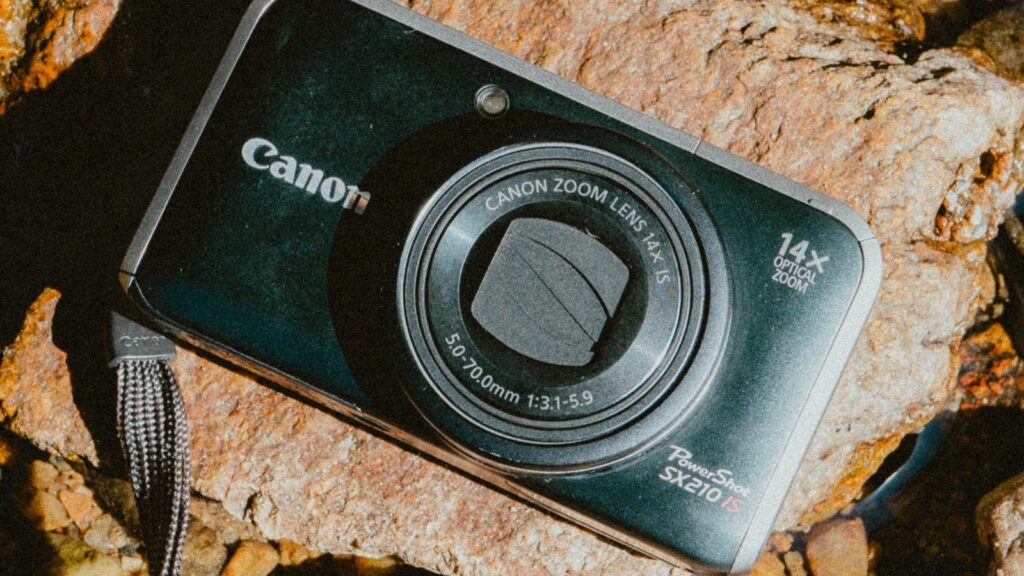
The setting: a river, a dog, and twenty-six minutes
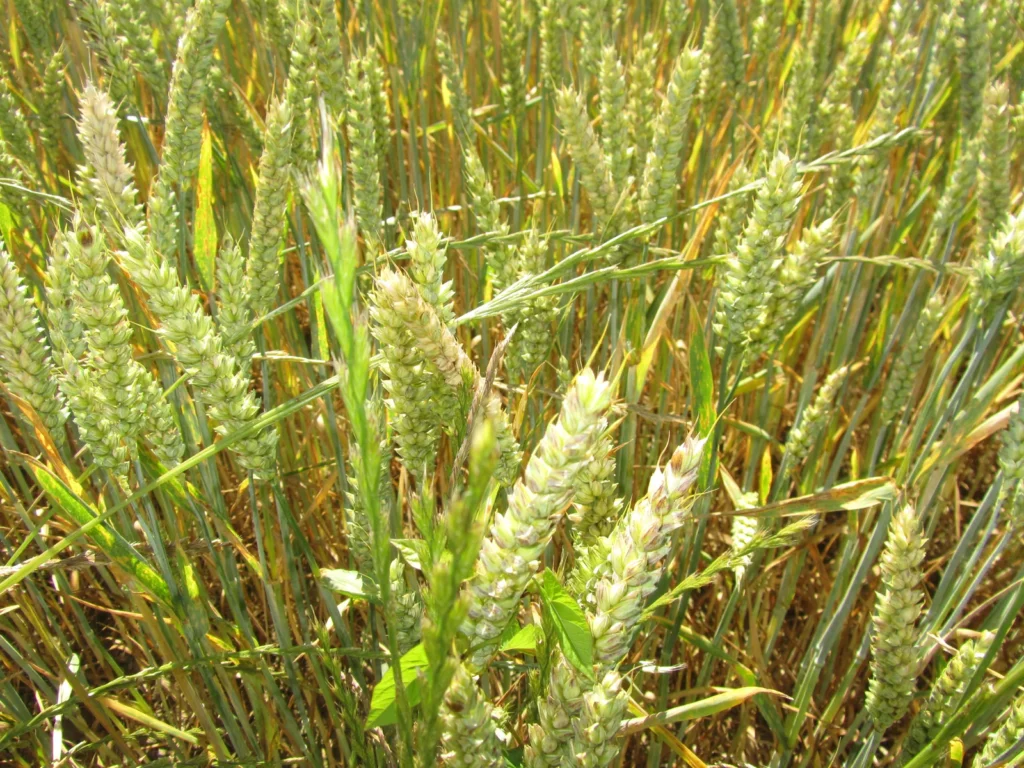
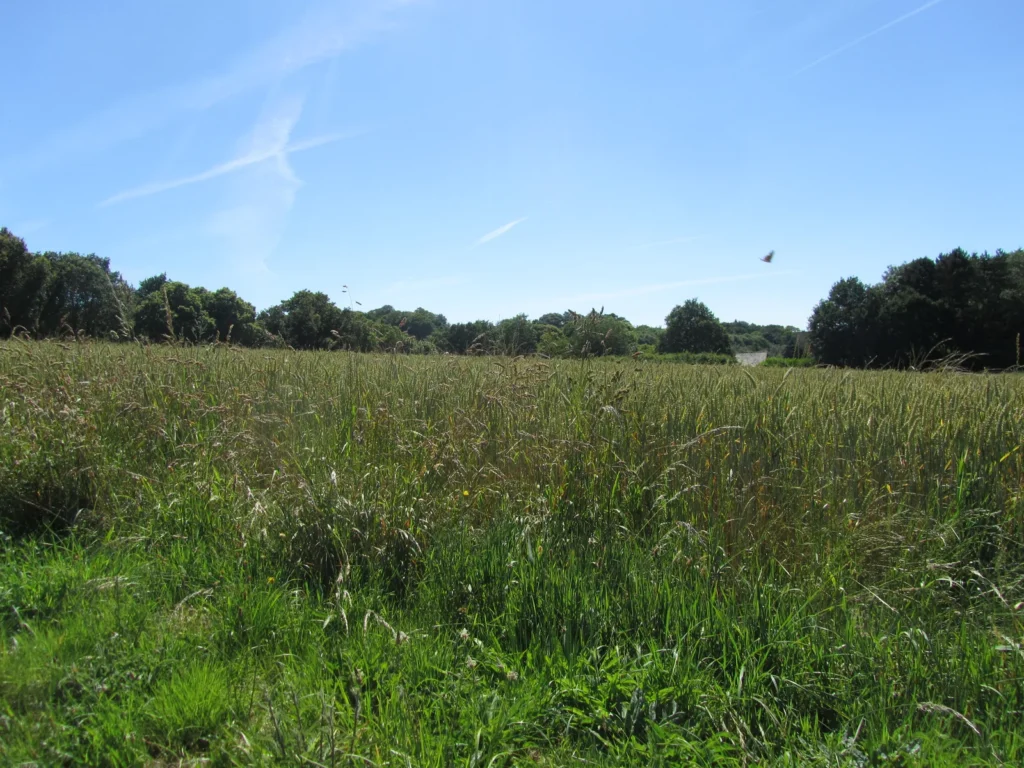
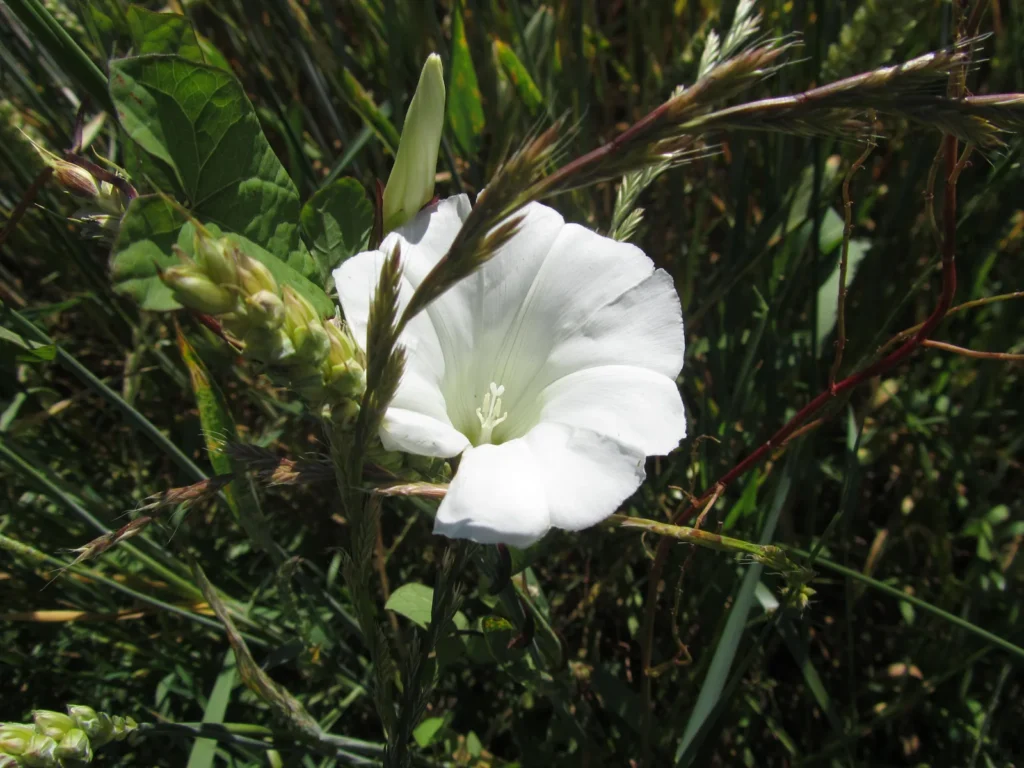
No staging. A June morning, a path along the water, and Taïko, a black and white dog who chooses the route. The camera stayed in hand, switched on, and was used whenever something came along: a field of wheat, a bindweed flower, the bottom of the river, the dog crossing.
That’s exactly the situation these cameras were sold by the million for between 2008 and 2012, and it’s the one in which you can judge them fairly. The file timestamps set the pace: first frame at 9:58, last at 10:24. Twenty-six minutes, twenty-nine photos.
What the files say
The values below are taken from the EXIF data of the 29 images, straight out of the camera. Nothing has been retouched, nothing has been cherry-picked to flatter the result.
| Readings | Across the 29 photos |
|---|---|
| Sensitivity | fromISO 80 to 640, six different values depending on the shade |
| Shutter speed | from 1/60 s to 1/1250 s |
| Aperture | from f/3.1 to f/4.5 |
| Focal lengths used | from 5.0 mm to 15.3 mm, i.e. 28 to 86 mm in 35 mm equivalent |
| Flash | left on auto, fired twice out of 29 |
| Framing | 12 horizontal photos, 17 vertical |
The 14× zoom, and why we don’t use it
That’s the paradox of this kind of camera. The 14× is what makes people buy it, and it’s the part they use least. On a walk, the subject is right in front of you: the river, the grass, the dog three metres away. The wide angle does everything. The telephoto only comes out for a bird or an out-of-reach detail, two or three times per outing, no more.
That’s no criticism of the SX210: at 28 mm it’s at f/3.1, its widest aperture, and that’s where its optics are cleanest. So the right reflex with this camera is the opposite of what its front promises: stay at the wide end and walk closer.
Landscapes
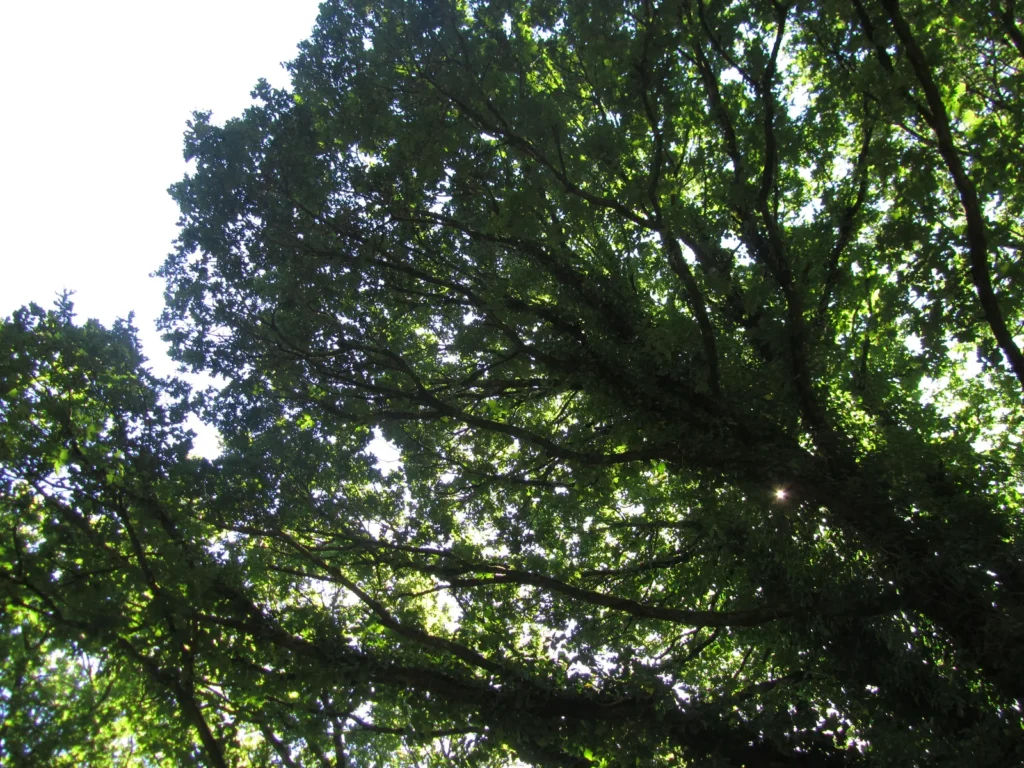
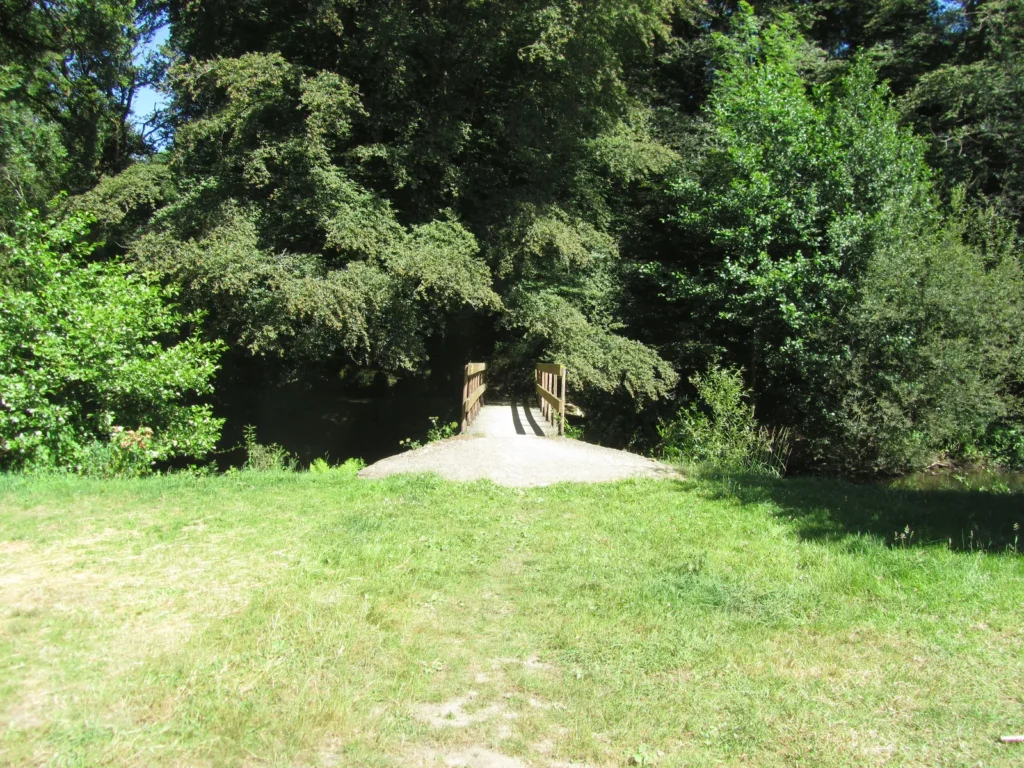
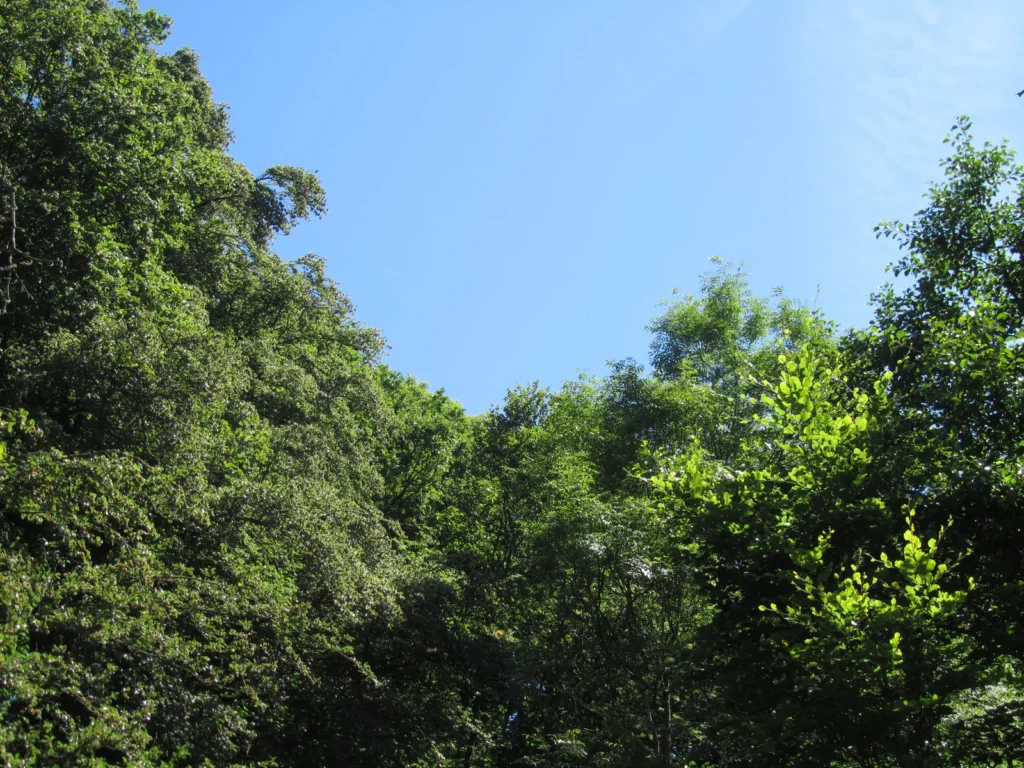
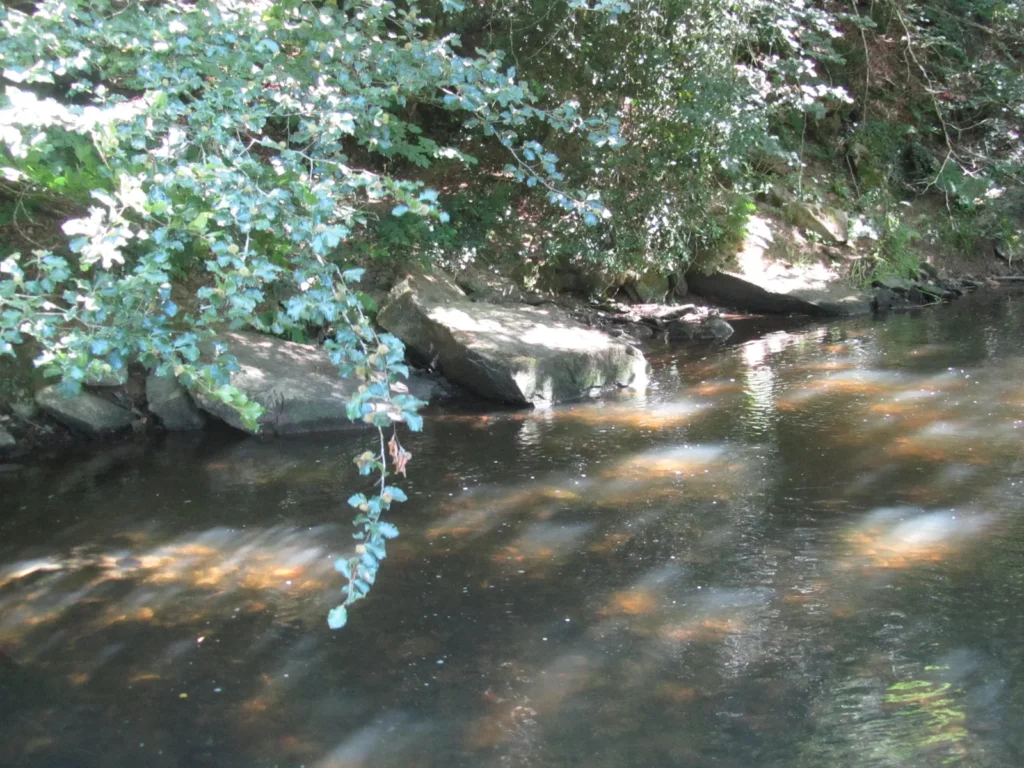
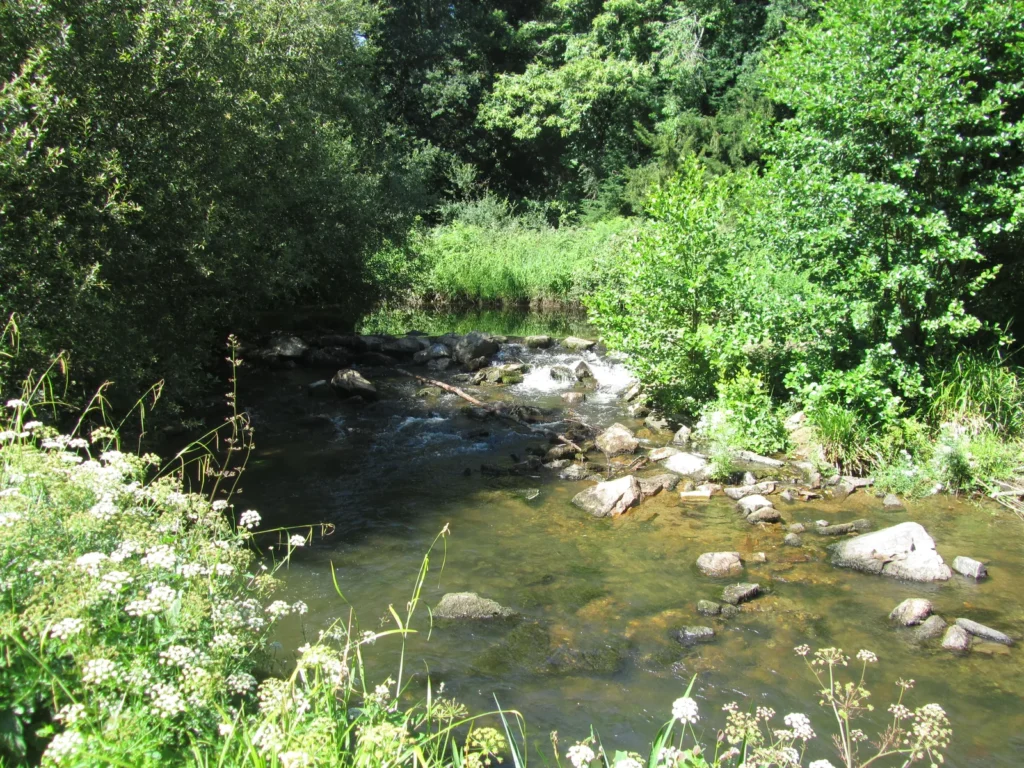
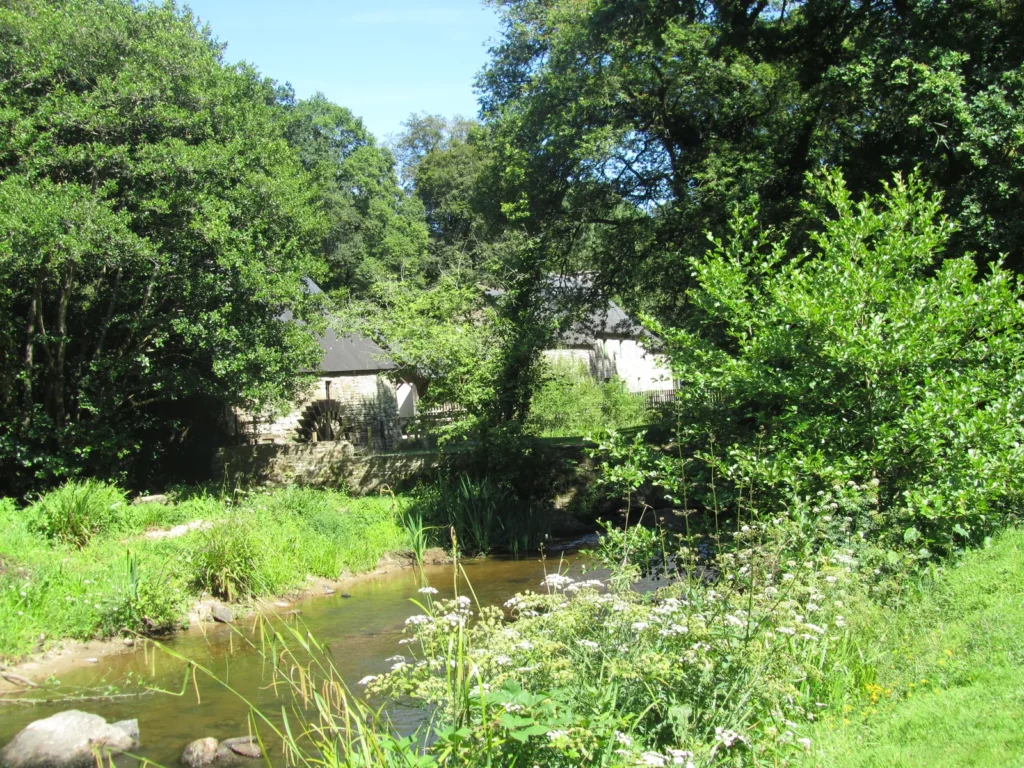
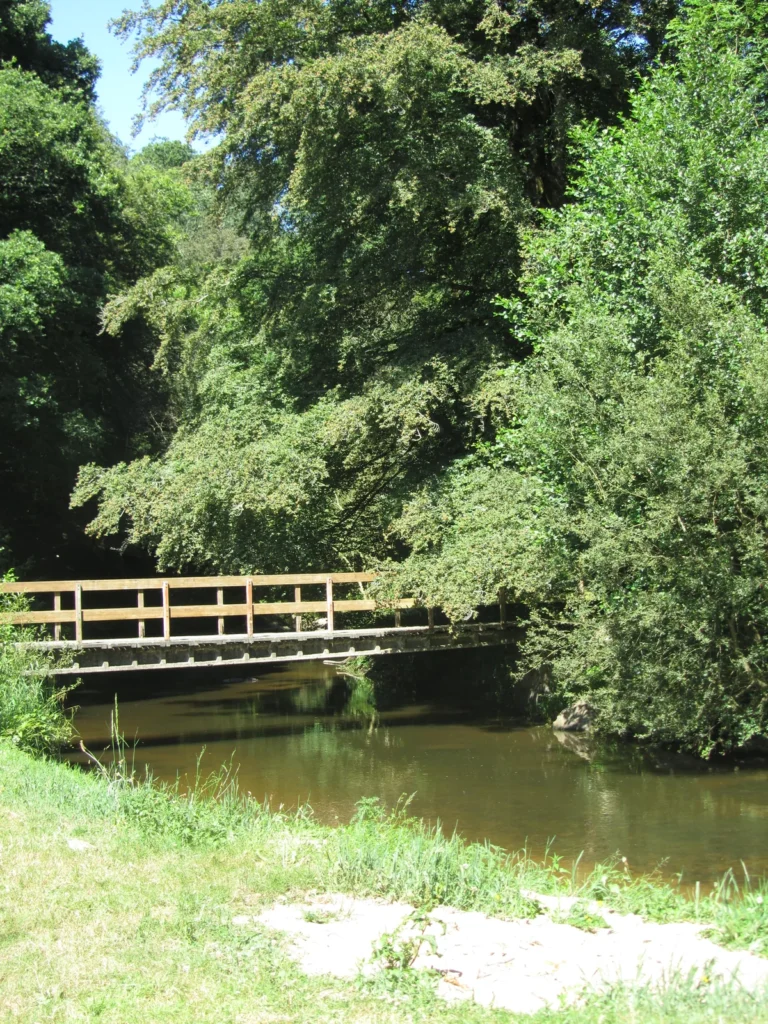
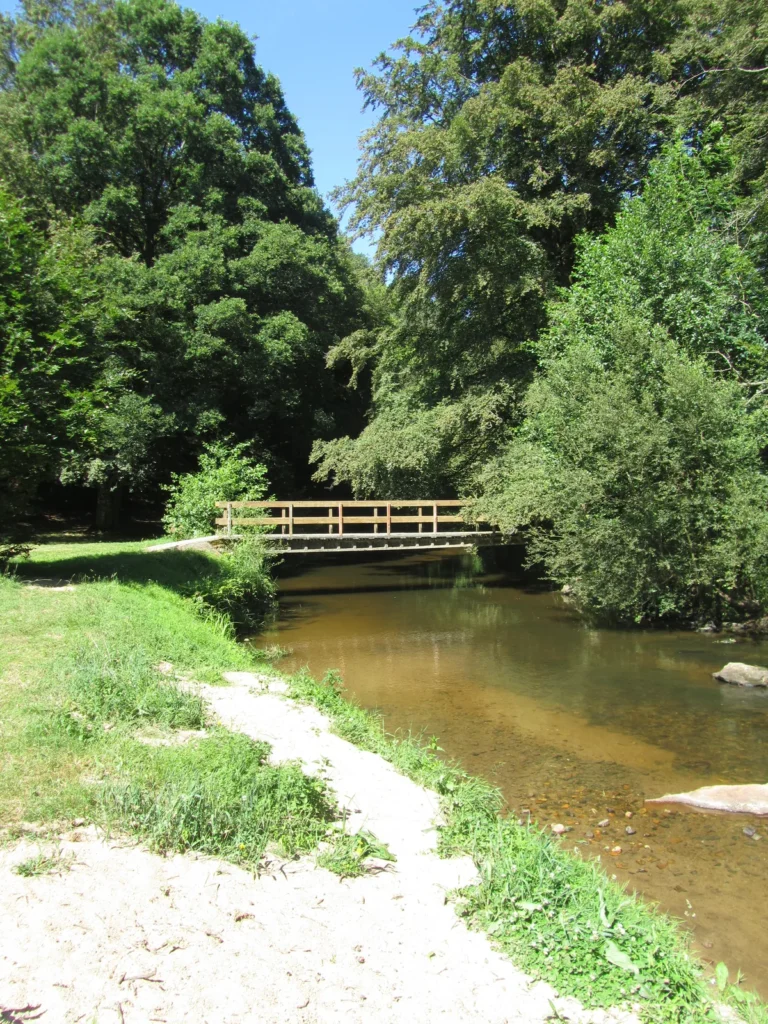
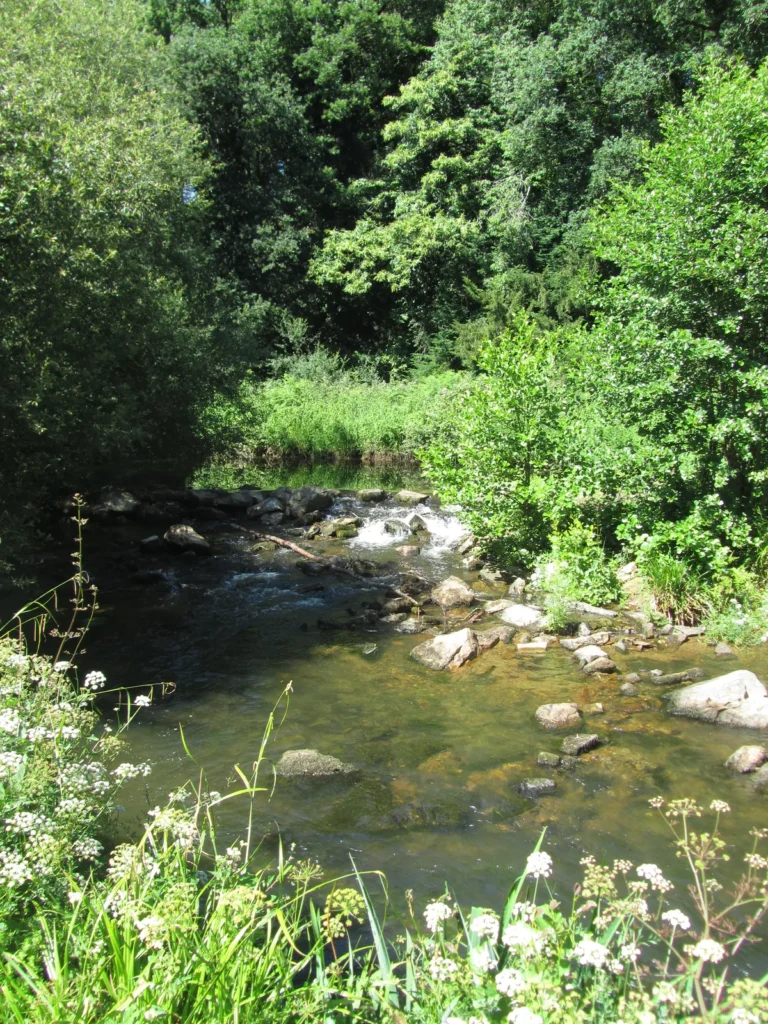
Eleven horizontal shots. Swipe to browse them, or click to enlarge.

Vertical shots
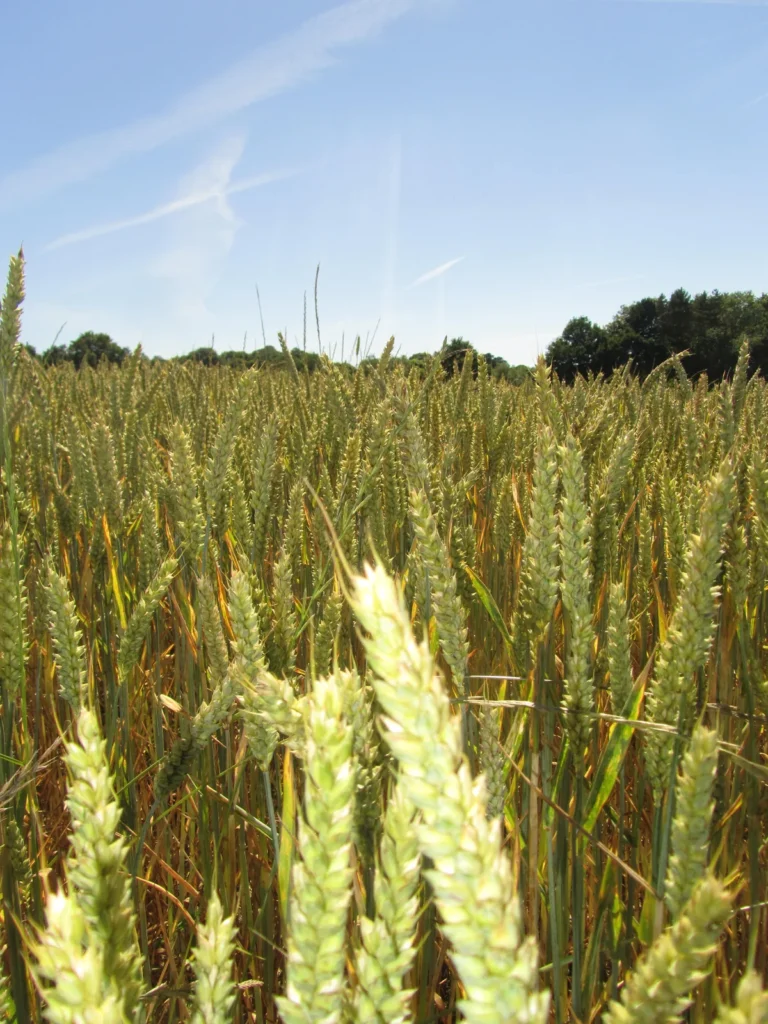
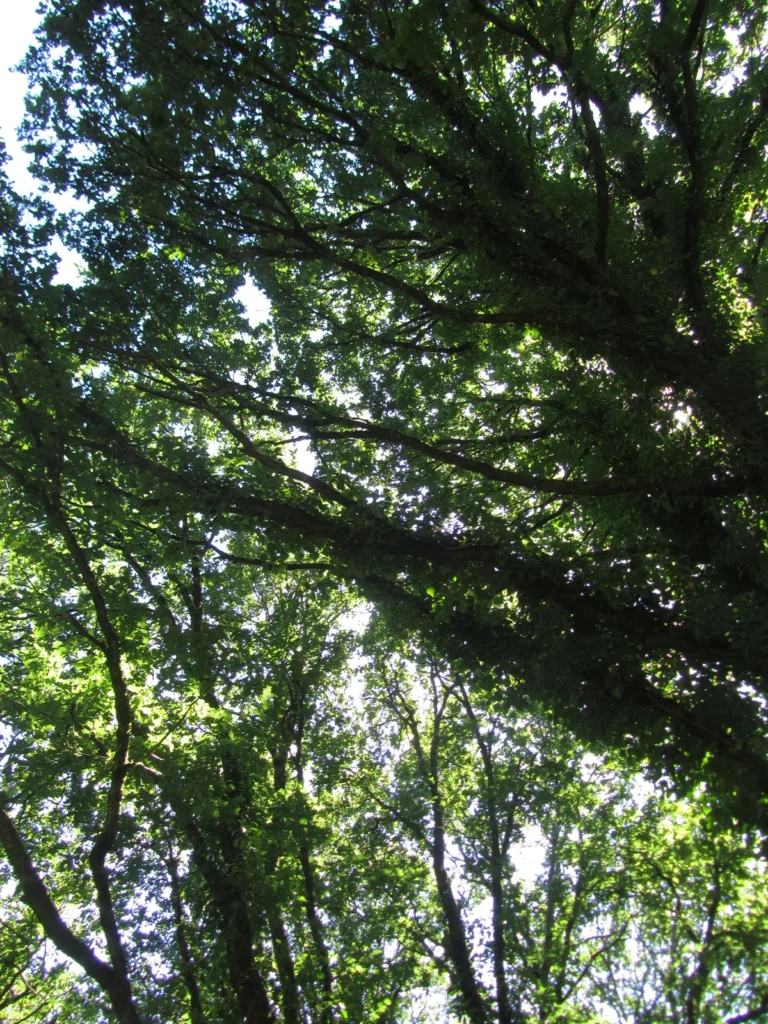
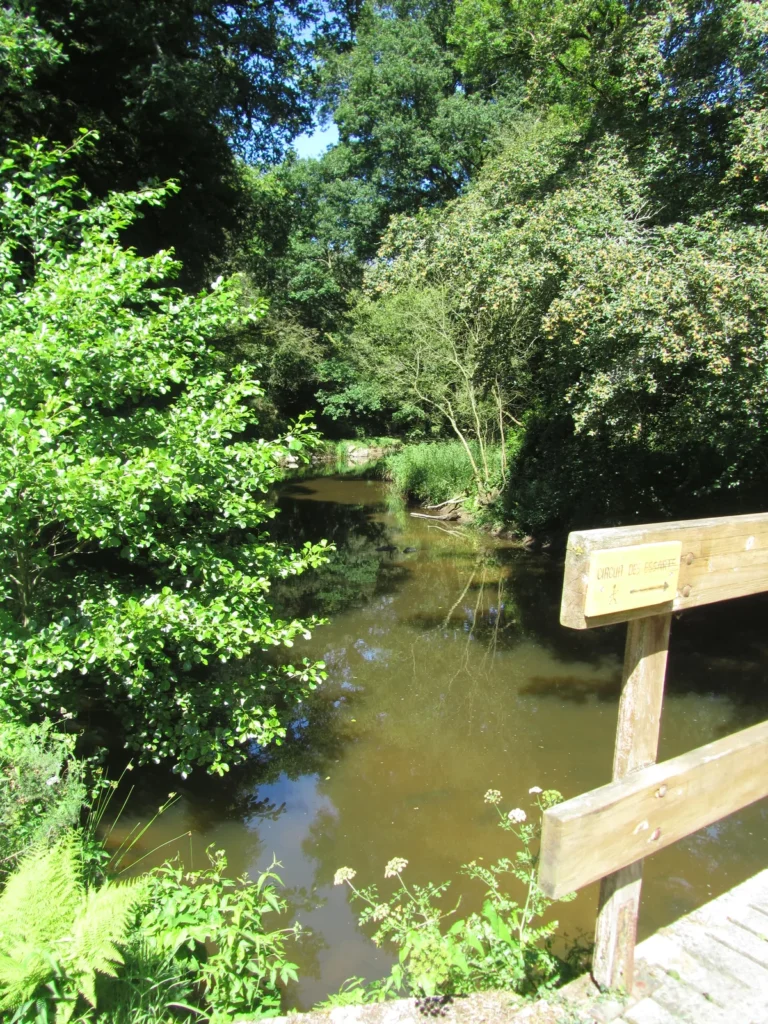
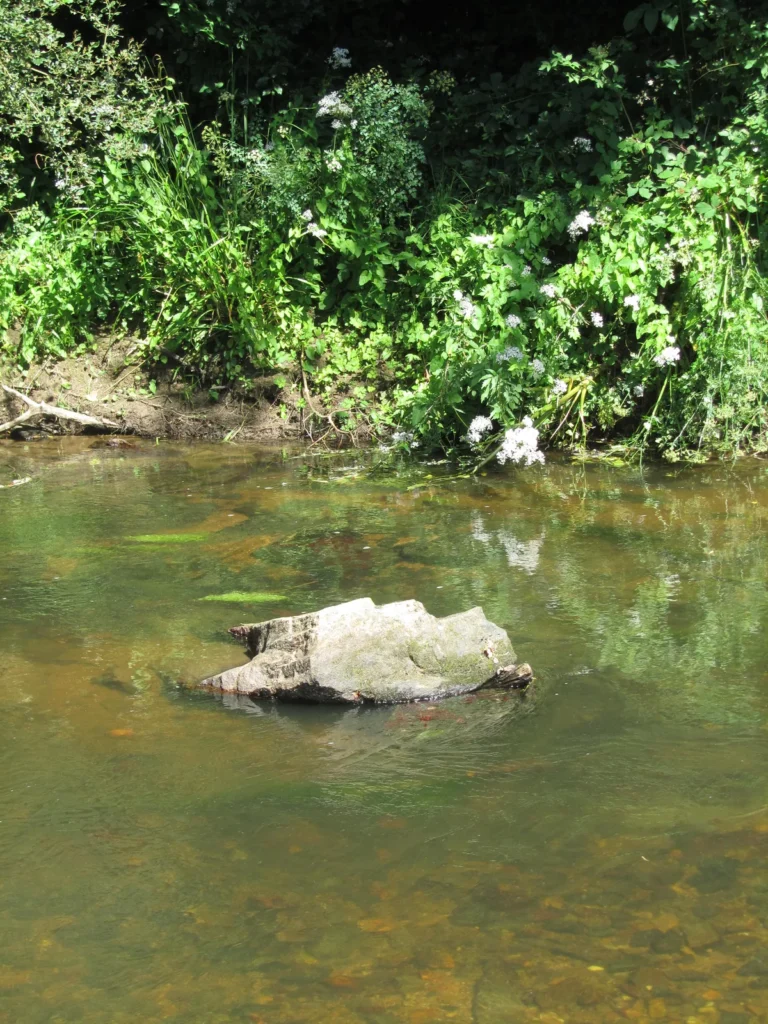
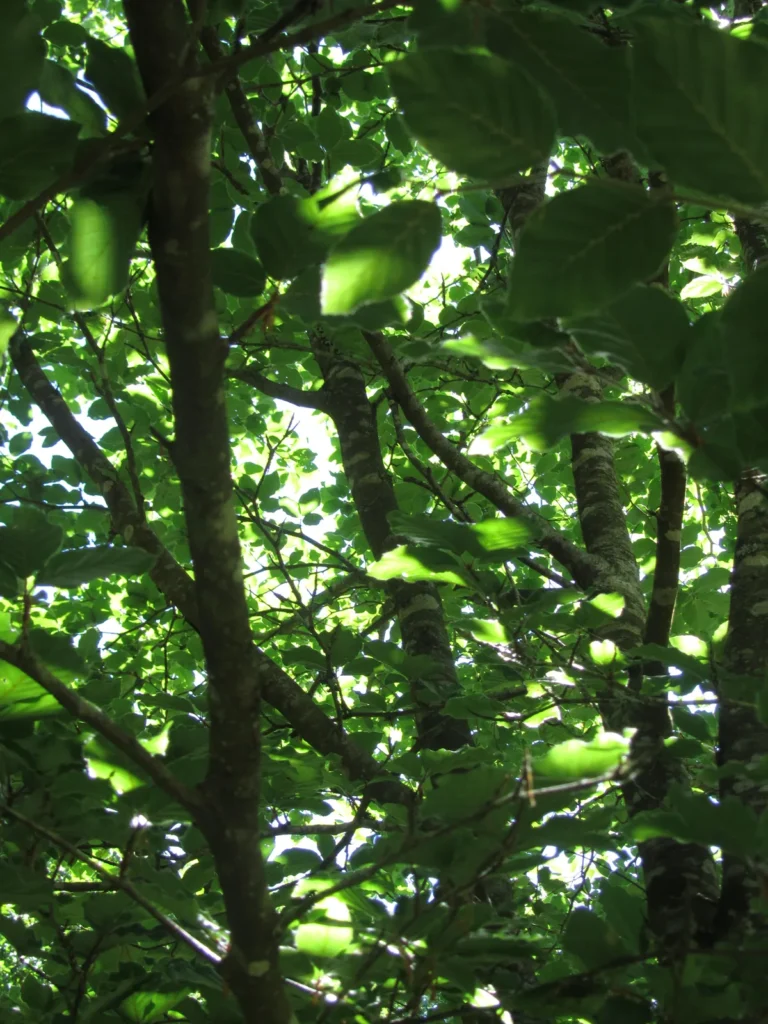
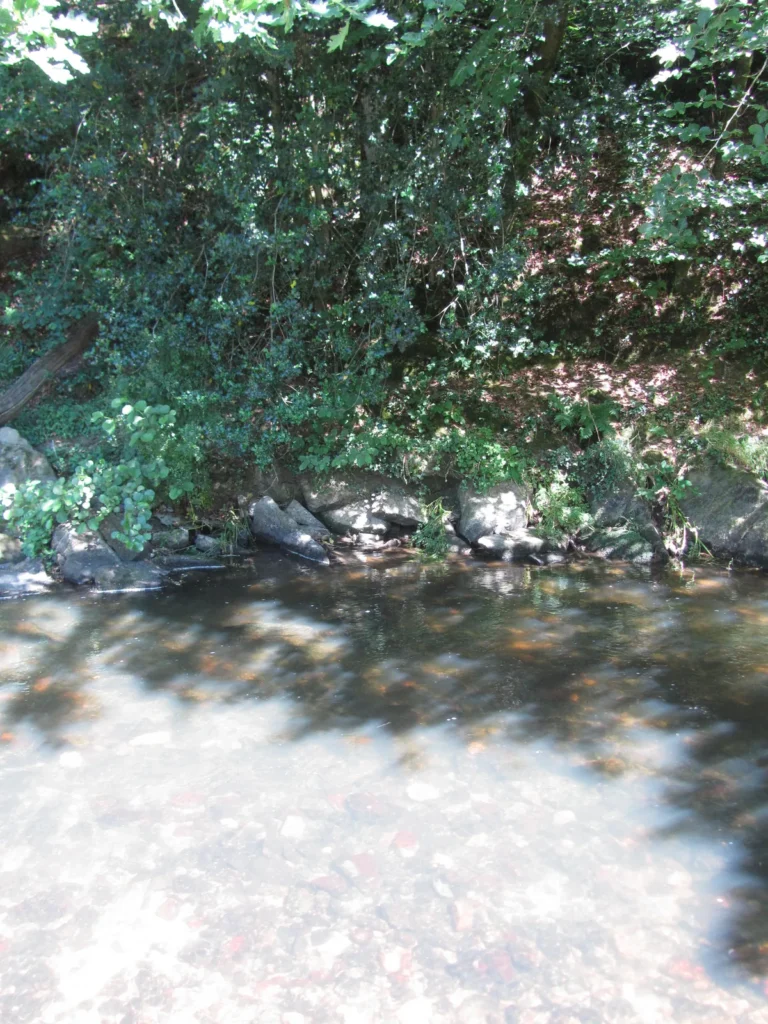
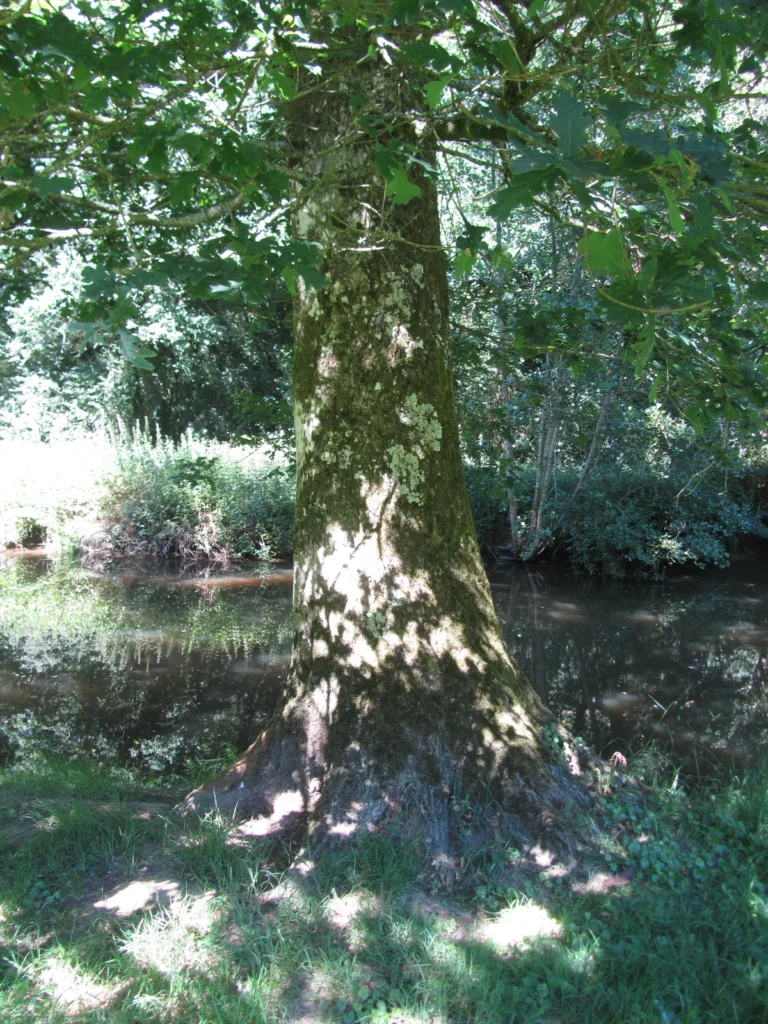
Fifteen shots in portrait format: tree trunks, riverbanks, the riverbed. It's the framing that comes naturally when you follow a stream.

Colour, and the riverbed
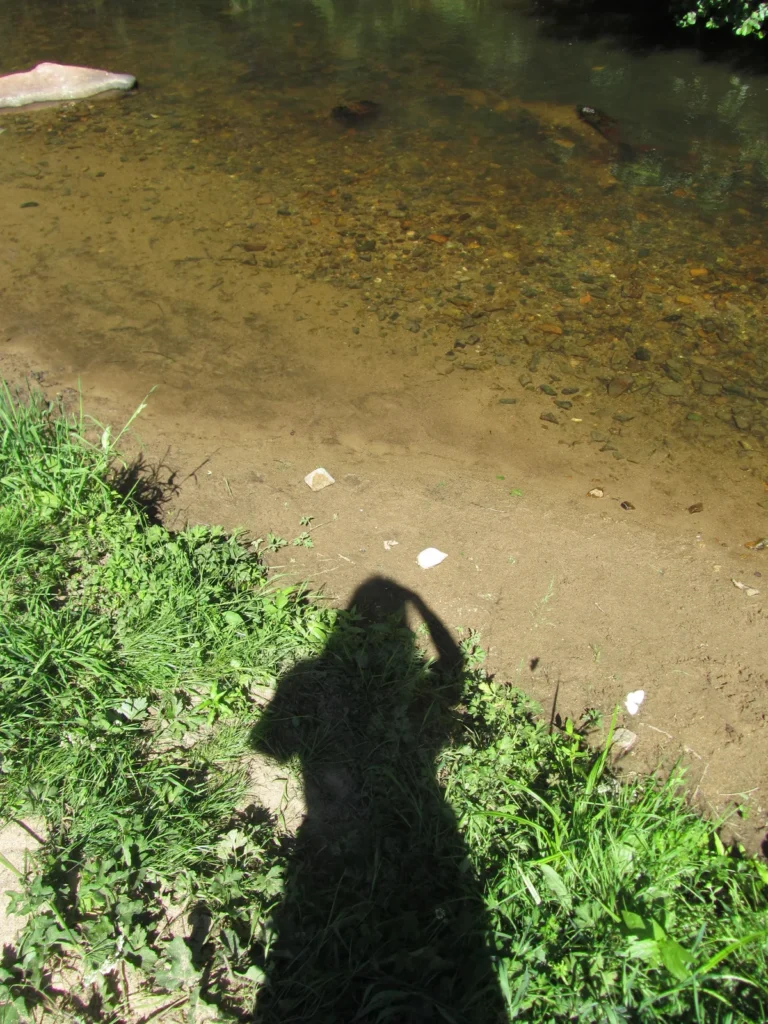
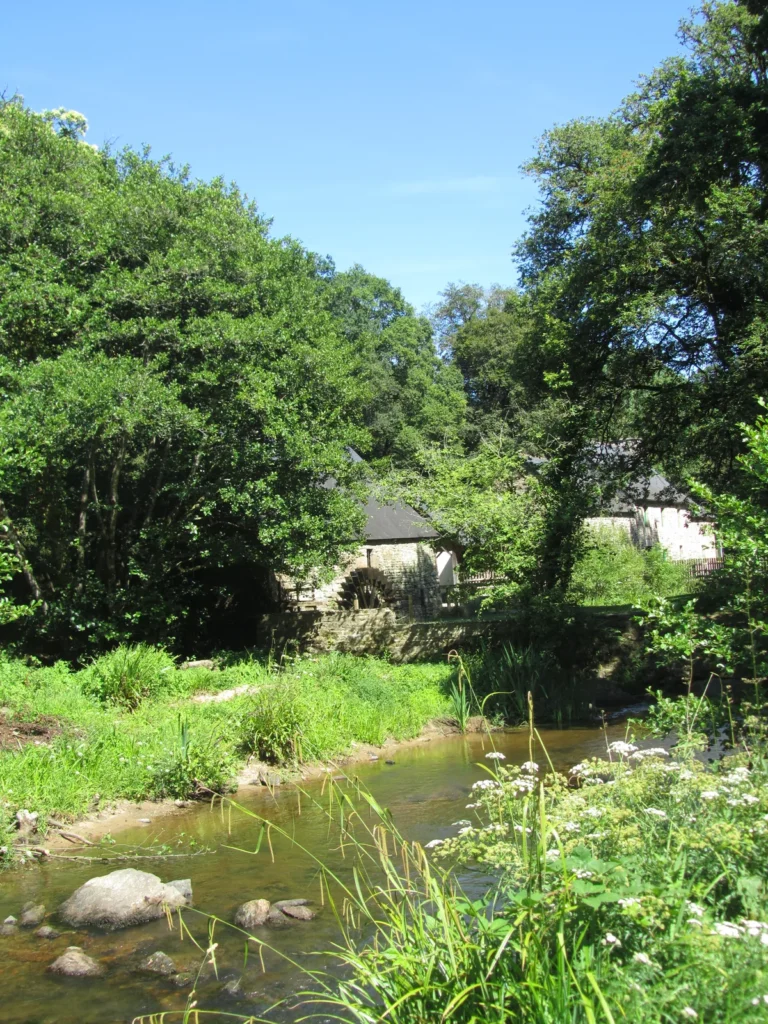
This is the image we use to judge a compact's colour rendering: pebbles under a few centimetres of clear water, in full sun. It has to hold the ochre, the grey and the green without the whole thing shifting to yellow or blue. The SX210 does well, with a slight warm bias that rather suits the subject.

When the sun gets into the frame
This is its limit, and it's predictable. The optics of a 2010 compact lack the anti-reflective coatings of a modern lens: as soon as the sun is in the frame, a haze appears and contrast drops. In the image below, the blue holds and the aircraft contrail stays defined, but the halo around the sun is obvious.
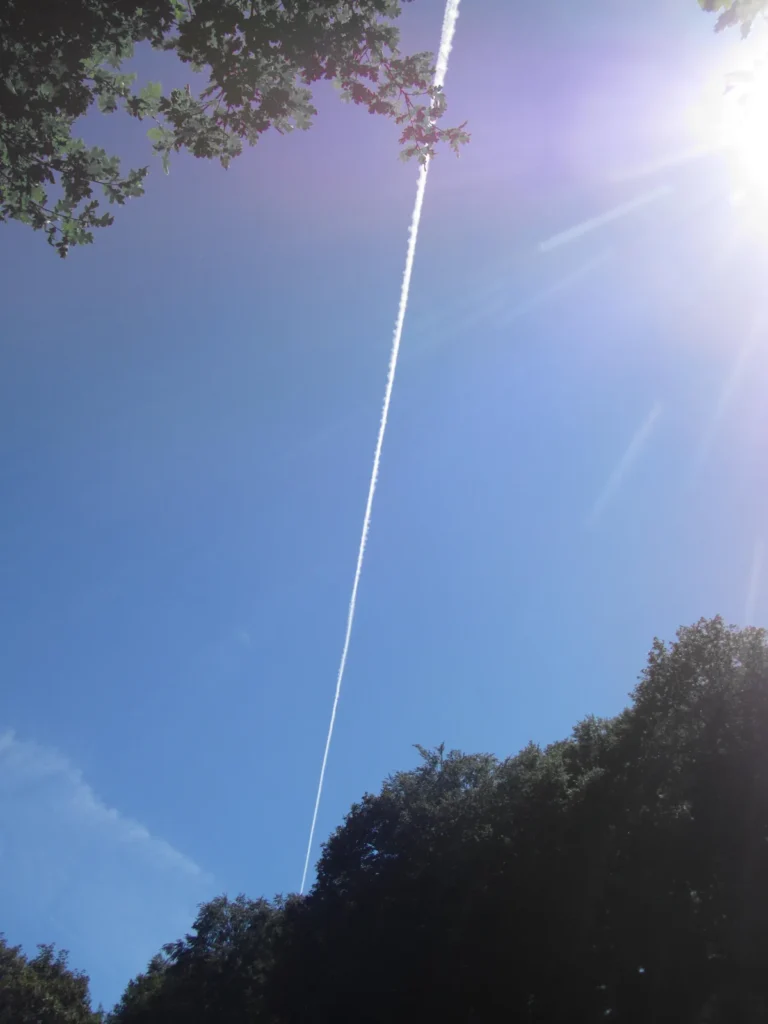
It's not a fault with this particular camera: every compact of this generation behaves the same way. Two steps to the side are enough to get the sun out of the frame, or you can embrace the effect, which is part of the look many people are after today.
And the dog
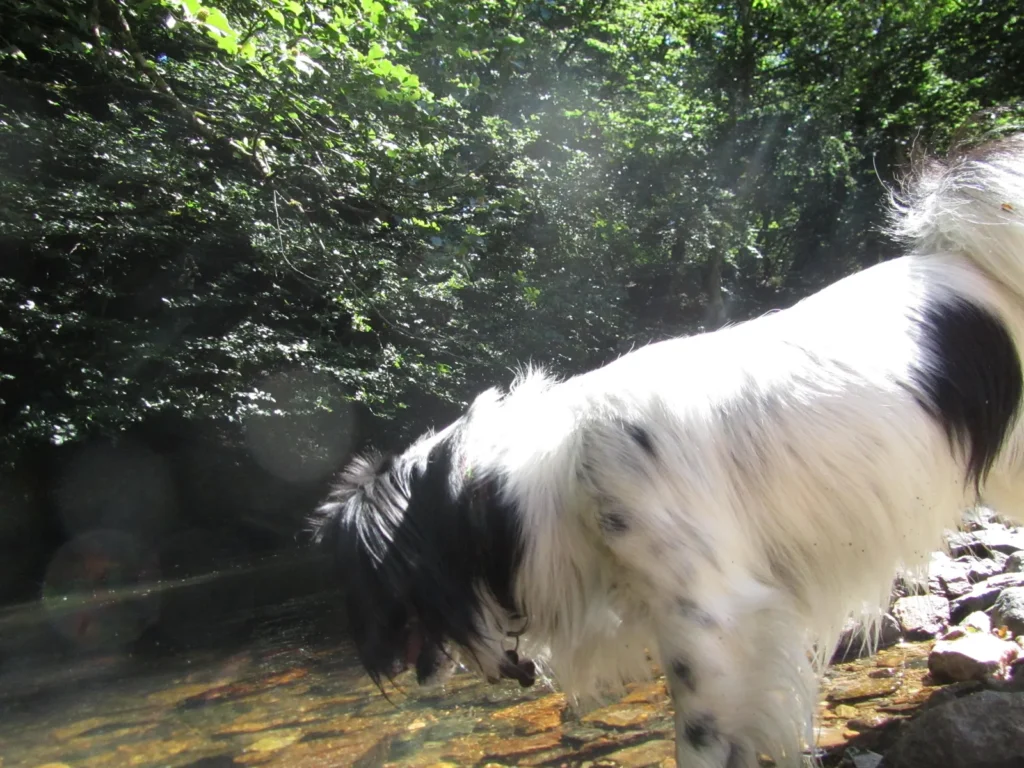
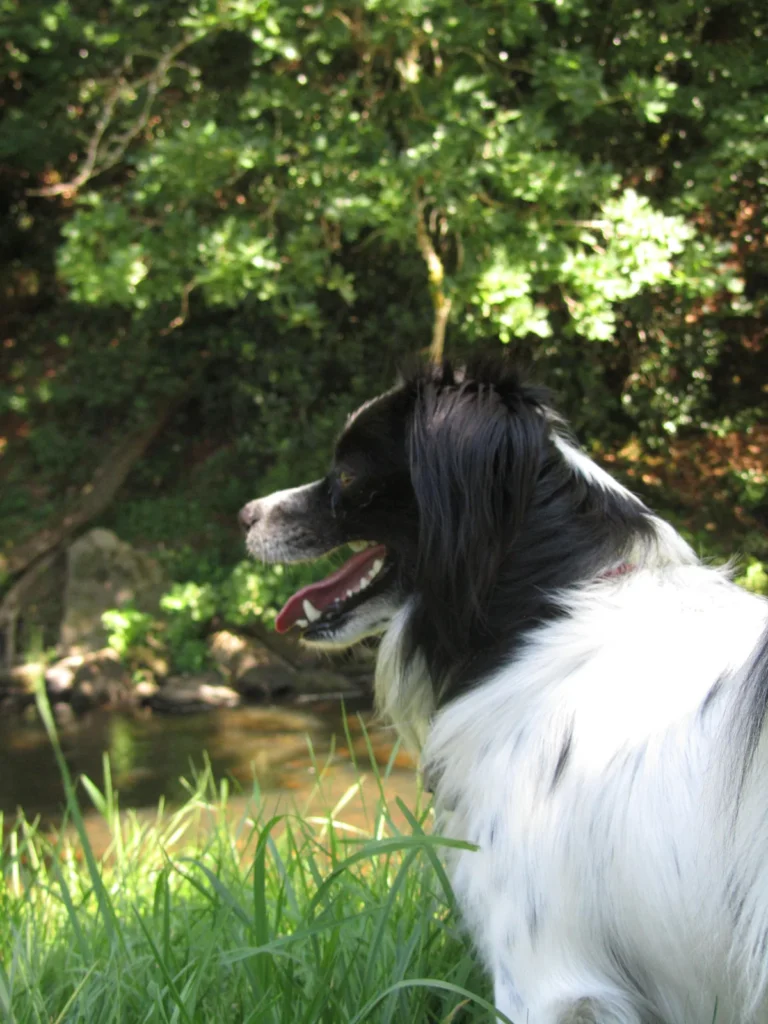
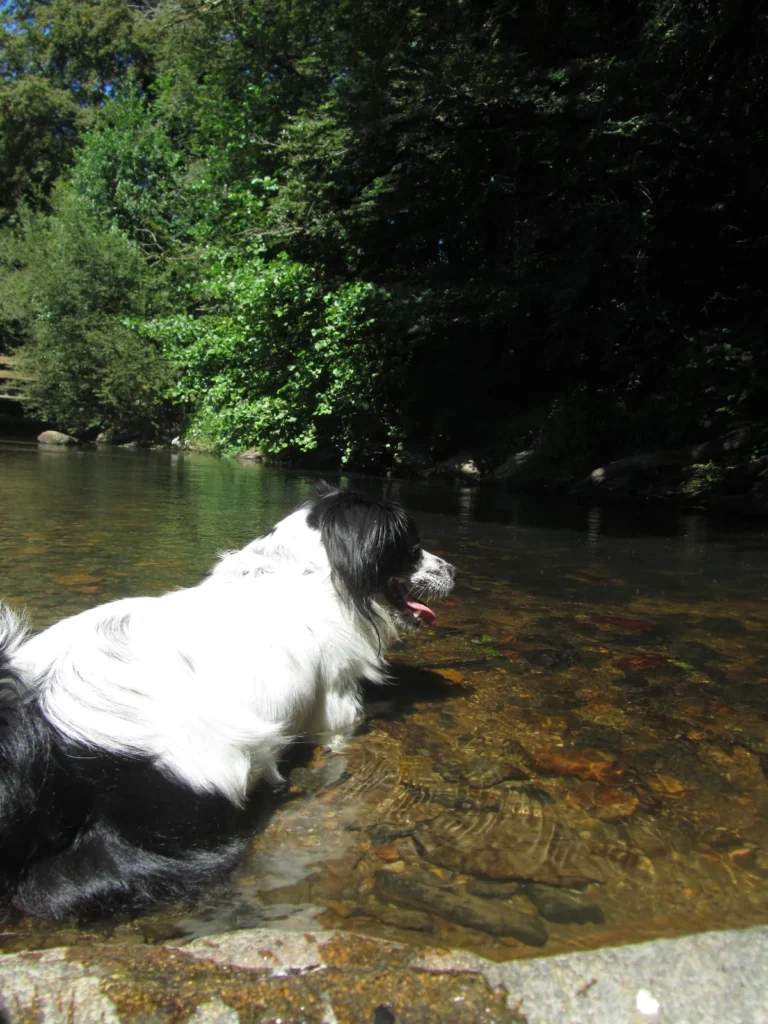
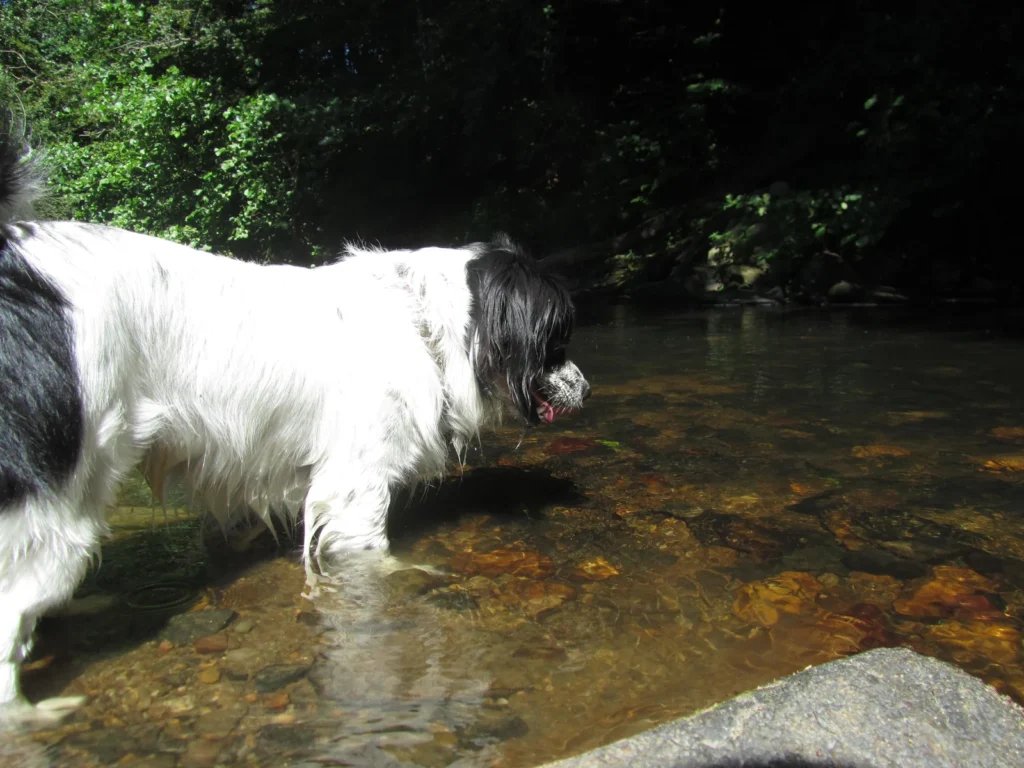
Taïko doesn't pose. He crosses, drinks, moves on. It's the best autofocus test you can improvise, and the SX210 copes: at 1/1000 s in daylight, it freezes the movement without difficulty. The hardest part is the exposure: a black and white dog in water, against the light, is the widest brightness range you can get on a single subject.
What it does well, what it doesn’t
Its strengths
- At wide angle and in daylight, clean, well-exposed files
- Optical stabilisation that copes with slow shutter speeds under the trees
- A 3-inch screen, comfortable for framing at arm's length
- Slightly warm colours, pleasing on natural subjects
- It fits in a jacket pocket and switches on quickly
Its limits
- Shooting straight into the light produces heavy haze: it's structural, not a fluke
- The zoom loses sharpness and brightness at the long end
- Above ISO 400, noise smoothing eats into fine detail
- No raw format: what the camera decides is what you keep
Five tips to get the most out of it
- Stay at wide angle. The best images in this test are between 5 and 8 mm, and walking closer beats zooming.
- Keep the sun behind you or to the side. It's the one rule that really changes the result.
- Go out while there's light: this camera gives its best as long as it stays below ISO 200.
- Leave the flash on auto. Over 29 photos, it only decided to fire twice, and it was right.
- Use a small-capacity SD card rather than a huge one: cameras of this generation are happier with modest cards.
Who it’s for
For anyone looking for a walkabout camera that isn't a phone, and who likes the look of late-2000s compacts, the one filters imitate without quite getting there. For anyone who wants a real optical zoom in their pocket. And for anyone giving a first camera: it's simple, sturdy, and its price won't hurt if it gets wet.
On the other hand, if you're after low-light quality or raw files to edit, this isn't the right camera. Look instead at digital cameras with a larger sensor.
Frequently asked questions about the Canon PowerShot SX210 IS
Is the 14× zoom really usable?
In daylight, yes. But like every compact of this generation, it loses sharpness and brightness at the long end: the aperture drops to f/5.9 at 392 mm. In this test, we never went beyond 86 mm equivalent: the best images are at wide angle. Think of the zoom as something to fall back on.
Why are my photos hazy when I shoot against the light?
It's not a fault with your camera. The optics of this kind of compact lack the anti-reflective coatings of modern lenses: as soon as the sun enters the frame, a haze appears and the contrast collapses. Move a few steps to get it out of the frame, or embrace the effect.
Which memory card for the SX210 IS?
An SD or SDHC card of 4 to 16 GB is plenty. Cameras of this generation don't always accept high-capacity SDXC cards, and a modest card is the safer bet. We sell them under SD cards.
What's the difference from the SX220 or SX230?
The SX210 IS came out in 2010 with a 14-megapixel sensor and a 14× zoom. The SX220 and SX230 HS replaced it in 2011 with a backside-illuminated sensor that copes better in low light, plus GPS on the SX230. For daylight shooting, the difference is hard to see.
Does it shoot HD video?
Yes, in 720p at 30 frames per second, with sound. The optical zoom stays usable while recording, which wasn't a given at the time.
Are your photos edited?
No. The 29 images in this article are straight out of the camera, resized for the web and nothing else. No colour, contrast or exposure correction. That's the rule for all our tests.