



How we work
What “tested and checked” means here
Buying a second-hand camera online means accepting that you haven't held it. This page describes exactly what we do in your place, and what we can't do.

An item's journey
Five steps before it goes on sale
The selection
Every camera is chosen individually, for its interest and its condition. We don't buy job lots blind, and we don't put anything on sale that we wouldn't keep ourselves. That's why the stock is made up of one-off items: what you see is one specific example, not a catalogue reference.
Power
You can't judge a camera that's switched off. Every item is powered up with its battery before any other check. If the camera doesn't switch on, it isn't sold as working: it is described as it is, or set aside for parts.
The mechanical and electronic test
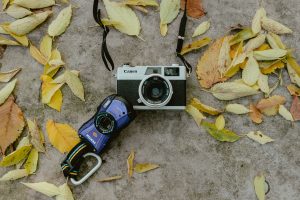
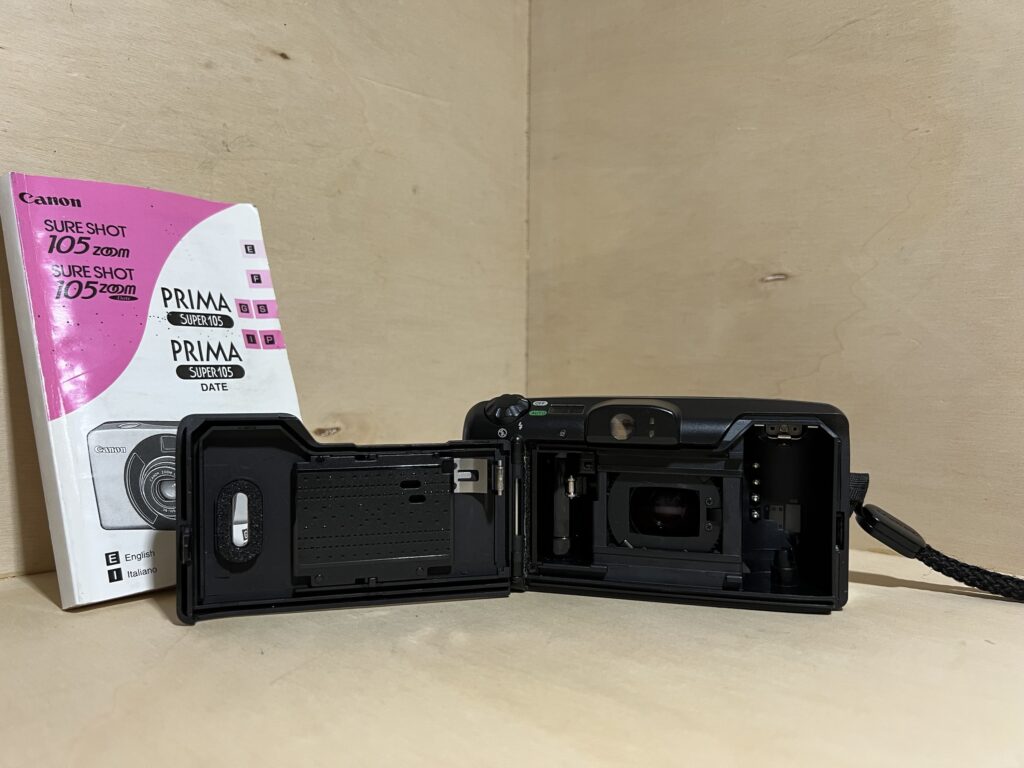
Film cameras are tested with a dummy roll (a roll made just for testing) to check the film transport without wasting a real roll: loading, advance, rewind. It's also when the back is opened and its light seals inspected. The details are just below. Digital cameras are tested with card and battery in place, right up to taking a picture.
A breakdown of what is checked, type by type, is further down this page.
Optics and cosmetic condition
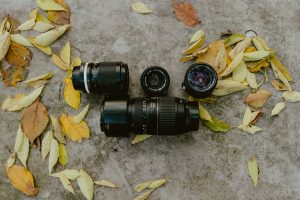
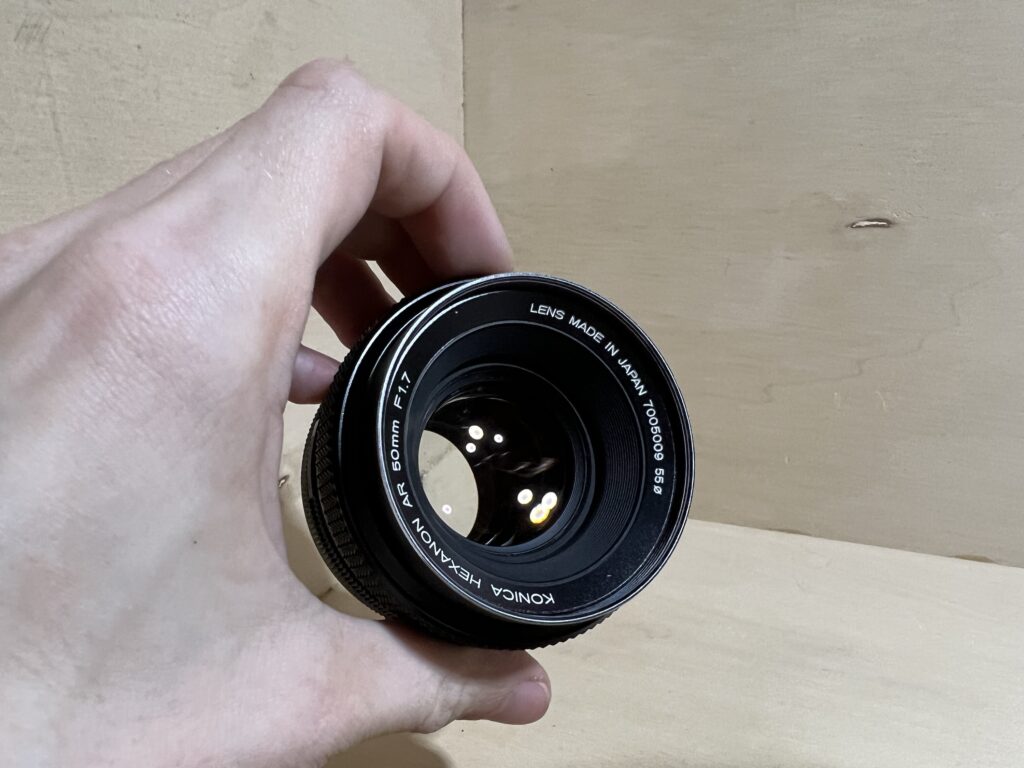
The lenses are inspected under raking light: dust, haze, scratches, and above all fungus : the mould that attacks the glass and which, on an old lens, is the most important defect to spot. The outside is examined separately: fine scratches, signs of use, marks on the corners.
The two are described separately on the product page, because they don't mean the same thing: a marked body can work perfectly, and a flawless body can have a mechanical fault.
Photos, then dispatch
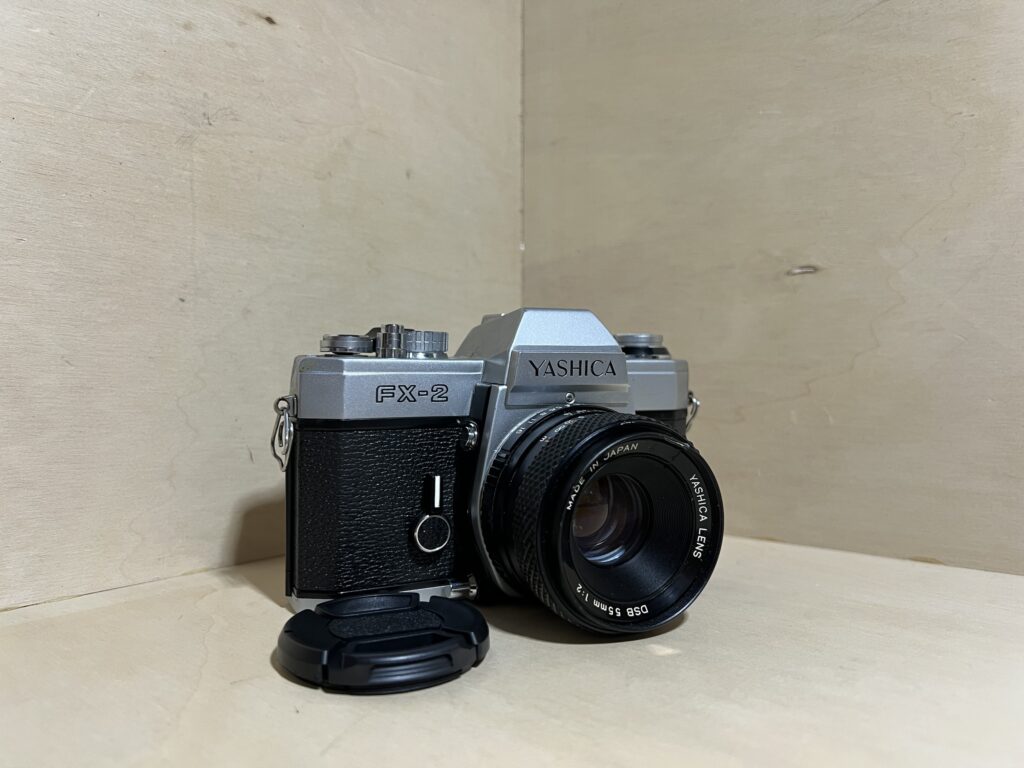
The camera is photographed as it is, unedited, often switched on when the screen is part of the proof. Any defects found are shown rather than hidden. Then it is carefully packed and shipped with a tracking number.
Servicing
Damaged seals never go out as they are
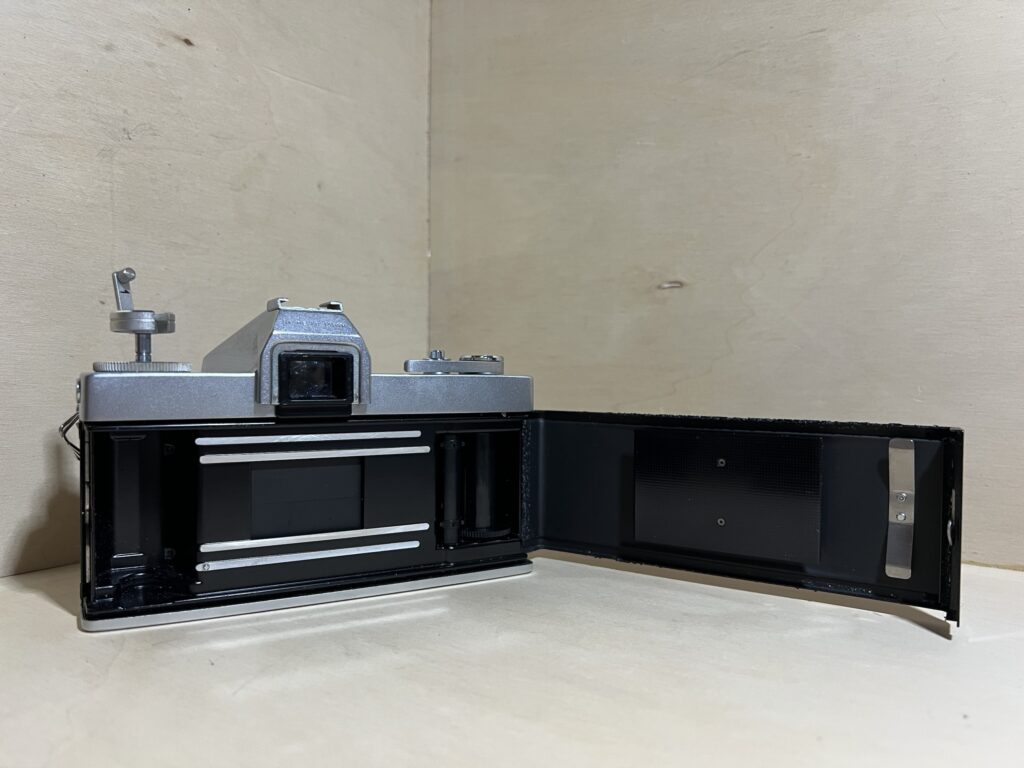
The back of a film camera closes onto thin strips of foam: the light seals, which stop light from creeping into the body and fogging the film. After thirty or forty years they turn sticky or crumbly: it's the most common wear on an old camera, and one of the sneakiest, because you only see it when you open the back.
So we open it. And when the seals are damaged, we replace them in the workshop before the camera goes on sale: that seal is what protects your first roll from light leaks.
The details
What we check, type by type
Everything that is checked is written on the product page. When something couldn't be tested, that's written too.
Film cameras
- Shutter release and shutter speeds
- Film transport, tested with a dummy roll
- Light meter, when the camera has one
- Aperture, focus and shutter speed rings
- Viewfinder, rangefinder and back seals (replaced when damaged)
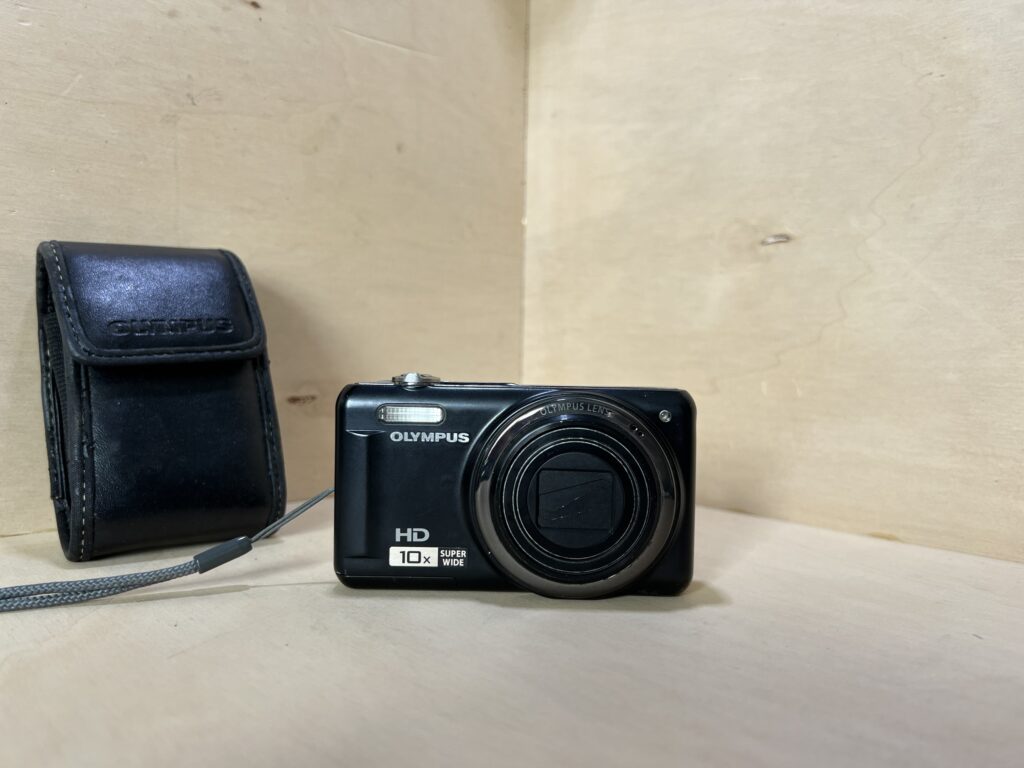
Digital cameras
- Powering on and screen display
- Power zoom, autofocus, shutter release
- Built-in flash and main modes
- Memory card reading and a real test shot
- Battery and charger when supplied
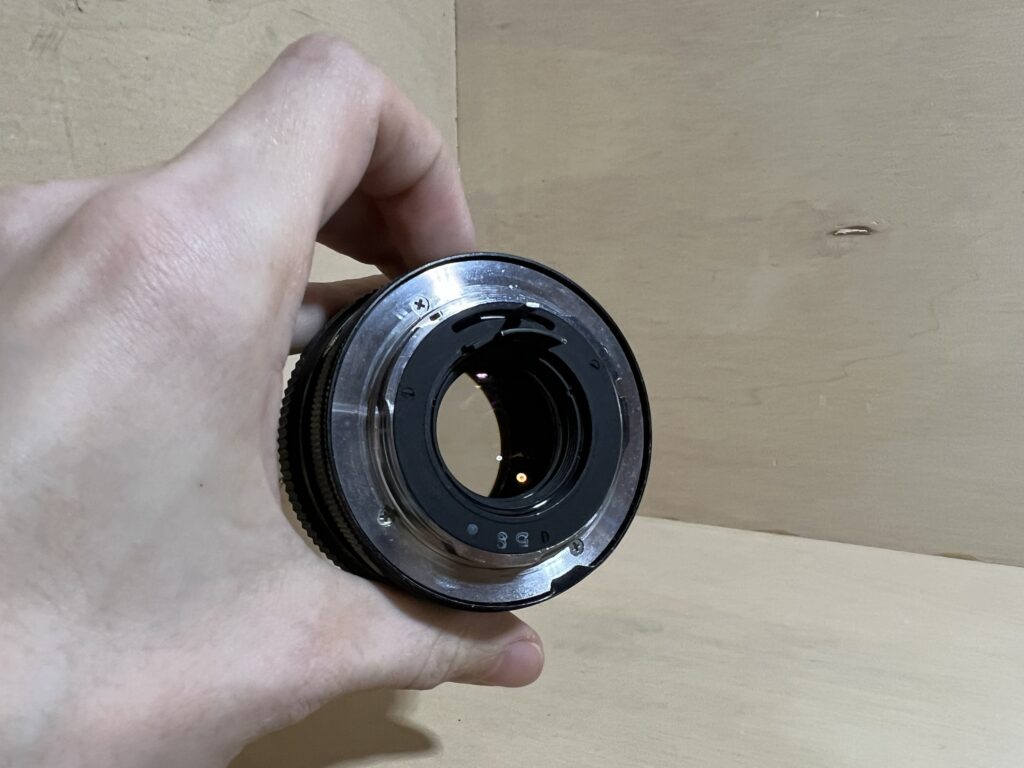
Lenses
- Lens elements under raking light: fungus, haze, scratches
- Aperture: opening, closing, clean blades
- Smoothness of the focus and zoom rings
- Mount and contacts, clean filter thread
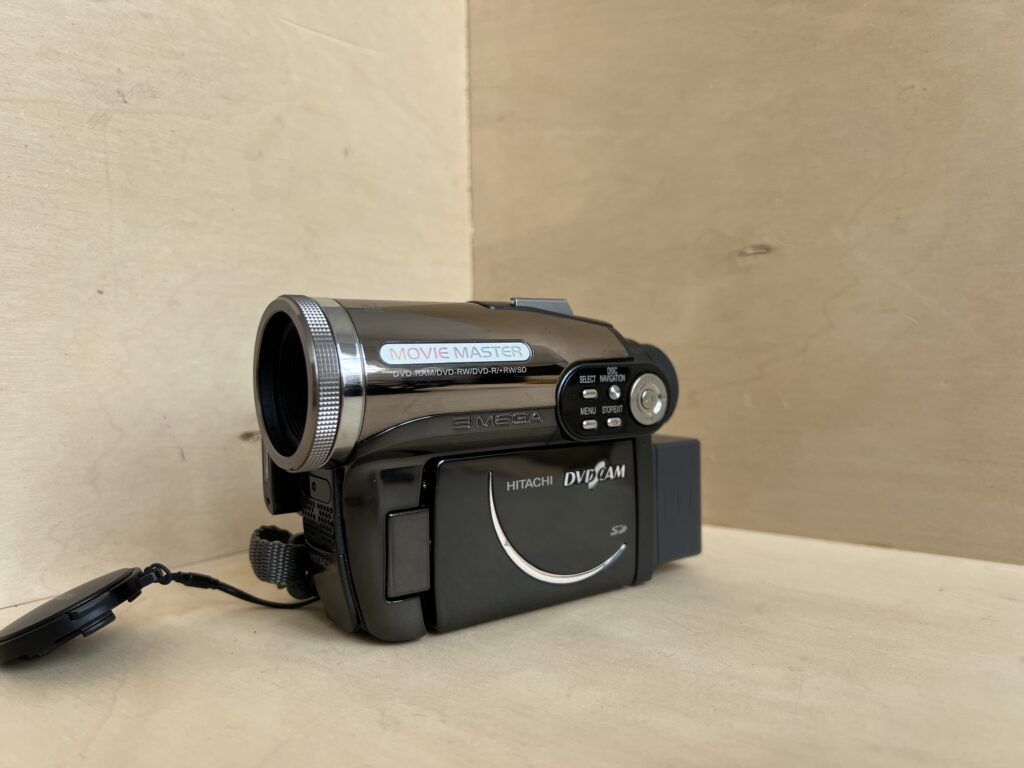
Camcorders
- Powering on and viewfinder or screen display
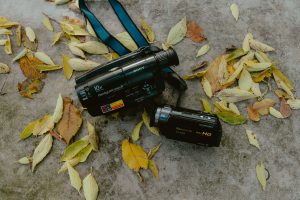
- Tape mechanism: loading, playback, rewind
- Zoom, focus, recording
- Accessories supplied: battery, power supply, cables
The limits
What a test can't tell you
A camera that's thirty or forty years old is a living mechanism. The test says it works on the day it's tested. It can't predict how long that will last, and nobody can honestly do so.
We don't develop a roll of film for every film camera we test: whether a back is light-tight, whether a light meter is accurate to a third of a stop, or how precise a 1/1000 shutter speed is, are things measured in a lab, not in a workshop. When there's any doubt on one of these points, it's written on the product page.
The rule we hold ourselves to
A defect we find is written down and photographed. Anything not tested is stated as not tested. We would rather lose a sale than describe a camera as better than it is.
It's also your best protection: if the product page doesn't mention something, ask before you buy, and we'll answer.
The deal
The photos are the proof
The item you see on the product page is the one that goes in the parcel. Not a catalogue photo, not another example of the same model.
No retouching, no smoothing over defects. When a digital camera's screen is lit up in the photo, it's because the test was done and is being shown. It's the only commitment that counts when you're buying without having the item in your hands.